









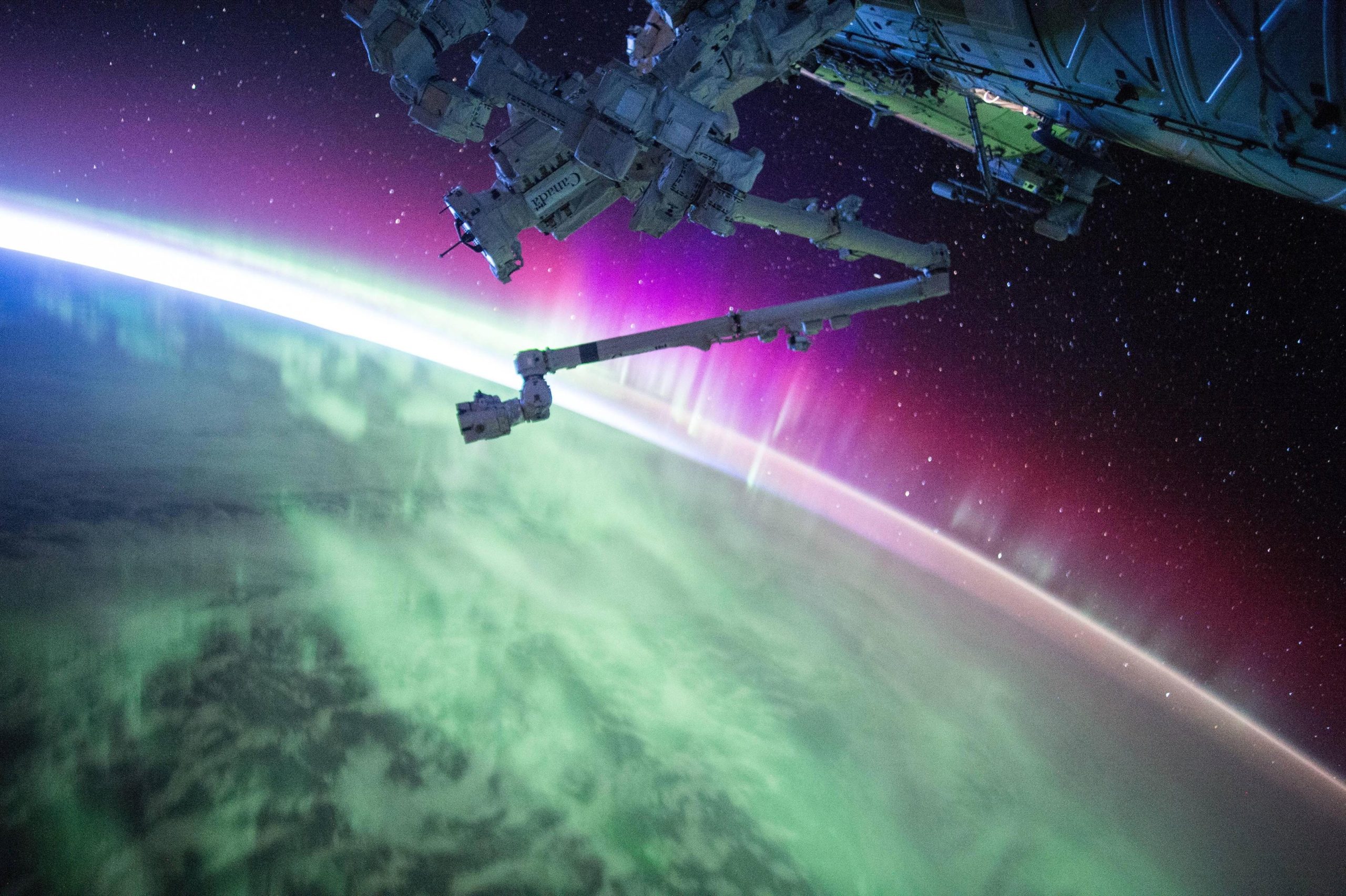
Research into auroras and geomagnetically induced currents reveals that the angle of interplanetary shocks against Earth’s magnetic field critically influences the severity of currents affecting electrical infrastructures. Direct shocks tend to induce stronger currents, which can lead to widespread power outages. Forecasting these shocks can help mitigate risks to critical infrastructure.
Scientists discover that interplanetary shocks that strike Earth’s magnetic field head-on cause more powerful ground-level electric currents, threatening pipelines and submarine cables.
Auroras are caused by particles from the sun hitting the Earth’s magnetic field — but these impacts also cause geomagnetically induced currents at ground level, which can damage infrastructure that conducts electricity. Scientists studying these currents to protect critical infrastructure have carried out the first research which compares interplanetary shocks to real-time measurements of geomagnetically induced currents, showing that the angle of the shocks’ impact is key for forecasting possible damage to infrastructure: shocks that hit the magnetic field at an angle produce less powerful currents.
The Impact of Interplanetary Shocks on Infrastructure
Auroras have inspired myths and portents for millennia — but only now, with modern technology dependent on electricity, are we appreciating their true power. The same forces that cause auroras also cause currents that can damage infrastructure which conducts electricity, like pipelines. Now scientists writing in Frontiers in Astronomy and Space Sciences have demonstrated that the impact angle of interplanetary shocks is key to the currents’ strength, offering an opportunity to forecast dangerous shocks and shield critical infrastructure.
“Auroras and geomagnetically induced currents are caused by similar space weather drivers,” explained Dr Denny Oliveira of DOI: 10.3389/fspas.2024.1392697









Discussion about this post