









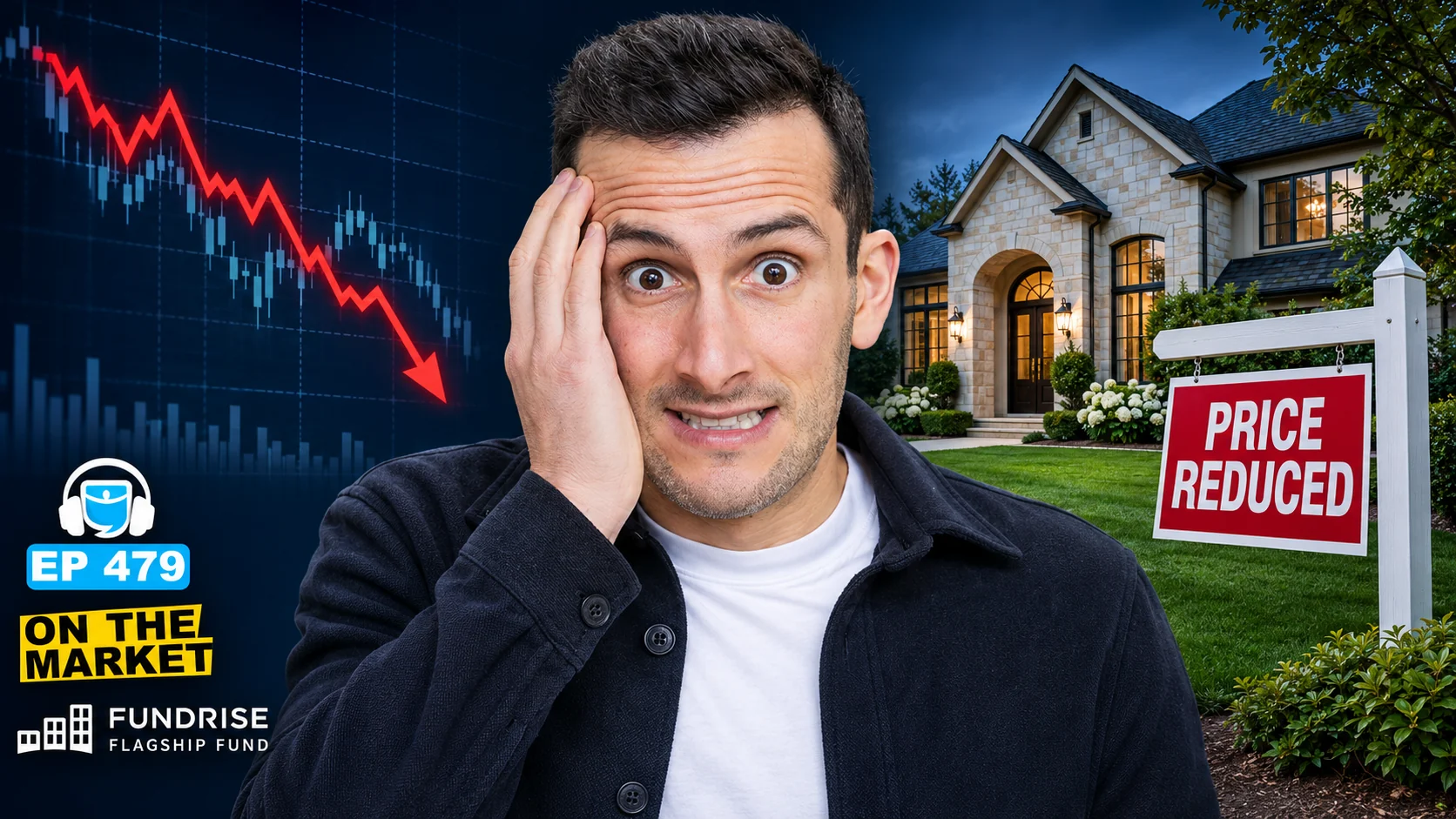
The Connection between the Stock Market Decline and Real Estate Vulnerability
Recent turbulence in the stock market has raised concerns about its potential impact on the real estate sector. The market experienced a particularly unsettling October, characterized by significant declines, including a one-day crash that wiped out trillions in value. Compounding this was the unexpected ousting of the CEO of Nvidia, a key player in the AI landscape, amid a scandal. With equity valuations reaching levels reminiscent of the dot-com bubble, questions arise about the future of the housing market as the financial landscape shifts.
Stock Market Trends and Economic Indicators
As of Tuesday, the S&P 500 and NASDAQ indices reported declines of 5% and 11%, respectively, from their peaks earlier in October. The NASDAQ is officially in correction territory, while the S&P remains just shy of a 10% drop. The considerable volatility has not gone unnoticed, with tech stocks particularly hard-hit, contributing to a broader concern about overvaluation in the market.
Potential Consequences for Real Estate
The intricate relationship between the stock market and real estate cannot be overlooked. Wealth generated from stock market gains has historically fueled down payments and cash offers, especially in the luxury housing segment. The question now is how a downturn in the stock market might reverse this trend. Conventional wisdom suggests that stock market sell-offs lead to lower mortgage rates and subsequently a rebound in housing. However, with inflation remaining stubbornly high, the expected relief may not materialize.
Inflation and Federal Reserve Policies
The Federal Reserve’s current stance on interest rates adds further complexity. Amid high inflation, there is speculation that the Fed may continue to raise rates, which could counteract any potential benefits from a stock market decline. Historical patterns show that stock market downturns often lead to a rush into bonds, which can lower treasury yields and mortgage rates. However, the unique economic climate today may not follow this historical precedent.
Luxury Market vs. Affordable Housing
In the current economic environment, the luxury housing market has thrived while the more affordable segments have struggled. Pending sales in the luxury sector have increased, driven by affluent buyers predominantly funding their purchases through stock gains. Should the stock market decline significantly, it is likely that the luxury segment will bear the brunt of reduced consumer spending, while the more affordable housing market may see a resurgence as mortgage rates potentially decrease and affordability improves.
Scenarios for the Future
Three potential scenarios could unfold in the coming months. The first is a mild correction where the stock market stabilizes, keeping mortgage rates relatively high and maintaining the current housing market dynamics. The second scenario involves a more pronounced decline in the stock market, leading to a stagflationary environment where inflation persists, impacting both consumer spending and the housing market. Finally, a classic recession could prompt the Fed to lower rates, reviving housing demand.
Preparation for Investors
Investors are advised to remain cautious and strategic in their decisions. As the market undergoes these changes, maintaining liquidity and being selective in acquisitions, particularly in the luxury sector, will be crucial. A focus on cash flow rather than appreciation may provide a buffer against potential downturns in high-end markets.
Conclusion
The interplay between the stock market and real estate is more crucial than ever. As market dynamics shift, stakeholders must remain vigilant and adaptable. Future episodes will continue to explore these developments and their implications for real estate investment strategies.
For more insights and updates, follow our channel and engage with our community.










Discussion about this post