





The Significance of COP31 in Antalya
The foundational aspect of each UN climate summit is the negotiation of multiple legal agreements, and COP31, taking place in Antalya, Turkey, is no exception.
Negotiation Dynamics in the “Blue Zone”
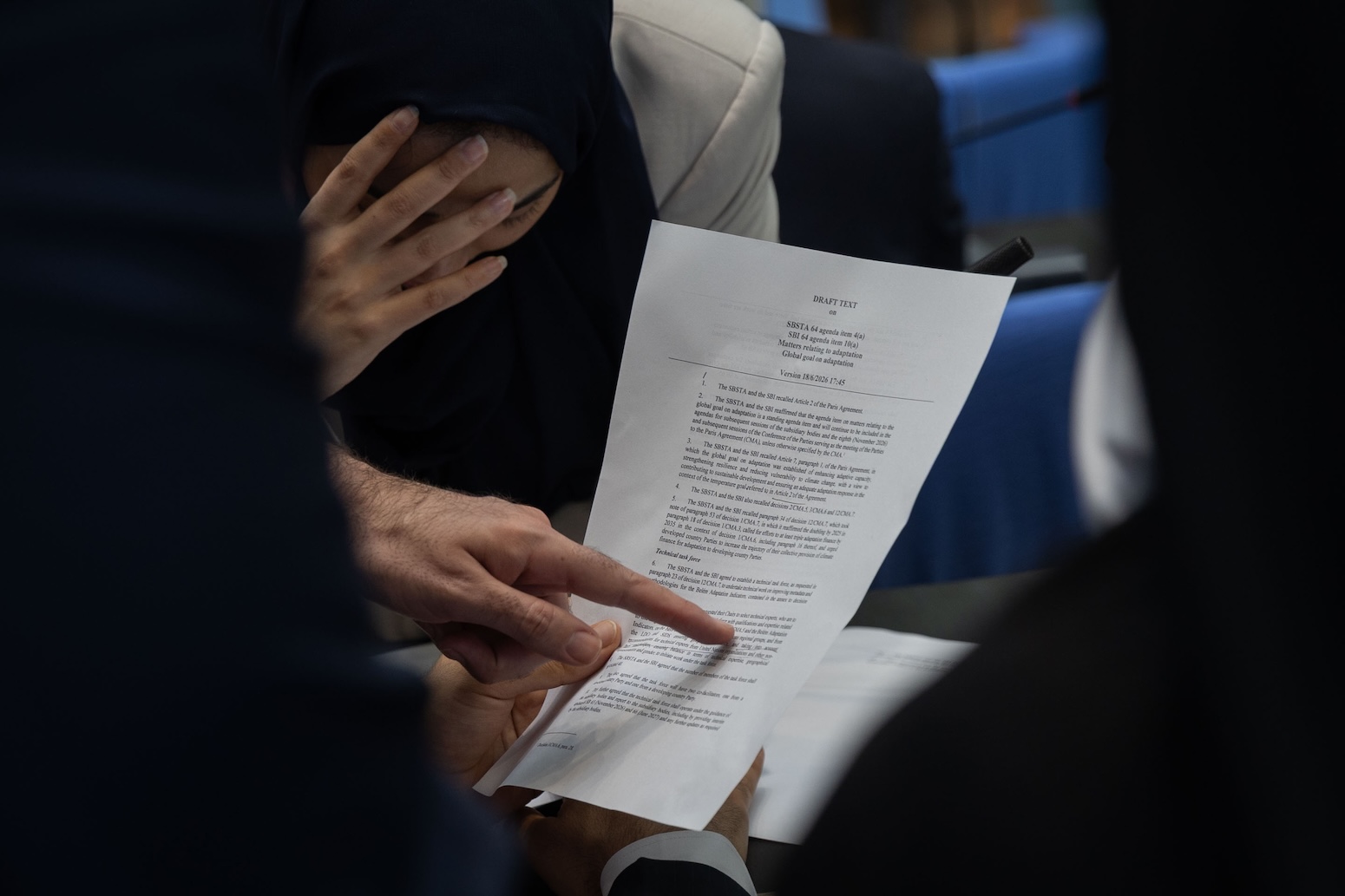
Within the summit’s “blue zone,” diplomats from nearly 200 countries, excluding the United States, will engage in detailed discussions over every wording choice. This closed-door setting allows for frank negotiations, critical for reaching consensus on over 100 distinct agreements.
Tracking the Negotiations
As the two-week conference unfolds, it becomes increasingly challenging to monitor the state’s progress and disputes among nations. Carbon Brief offers a real-time text tracker that clarifies the agenda and maintains an easily searchable record of all documentation related to the negotiations.
Interactive Tracker Features
The interactive tracker includes a first column listing the topic of each agenda item alongside columns that display dates, page numbers, and links to original PDFs. Users can easily search and sort the entries through an interactive text box.
Leadership at COP31
This year’s summit is notably characterized by Turkey’s presidency combined with co-presidency by Australia in the role of “president of negotiations.” Both nations plan to compile a “cover text” summarizing key negotiate outcomes and additional issues that may not be part of the official agenda.
Potential Topics for Discussion
The anticipated political document may recognize that global warming is likely to exceed the 1.5°C threshold, along with its associated impacts. Among the proposed solutions is Turkey’s goal for electrification, targeting that 35% of worldwide final energy come from electricity by 2035.
Major Negotiation Points
Although COP31 may not be a transformative year for negotiations, it presents numerous crucial topics. Key discussions will focus on finalizing the “global goal on adaptation” and the continuation of a contentious process aimed at reducing emissions, known as the “mitigation work programme.”
Additionally, negotiators are expected to develop a new “just transition mechanism,” also known as the “Belém-Antalya mechanism for global just transitions” (BAM).
The Agenda and Late Additions
While the majority of agenda items are primarily established beforehand, there is room for late additions. Such suggestions often result in a contentious “agenda fight” before negotiations can commence.
Following COP30, two new items were added to future summit agendas concerning climate finance from developed nations, as specified under Article 9.1 of the Paris Agreement, and ensuring global financial flows are aligned with the agreement per Article 2.1c.
In advance of COP31, the African group of nations proposed including climate-related trade tariffs in the agenda, building on the previous agreement for annual dialogues established at the Bonn climate talks. The group is also advocating for expanding discussions on tripling adaptation finance and boosting funding for the Green Climate Fund.
Current Status of the Negotiations
As COP31 begins, Carbon Brief’s tracker indicates there are 104 substantive agenda items, excluding procedural matters such as the election of COP officials.
The current status of negotiations is visually represented in a traffic-light format, with each item color-coded based on its progress.
Understanding the Color Codes
Items marked in red indicate that no written documentation has been produced, likely due to diverging views among parties. Orange items are in the stage of “informal text,” presenting initial drafts that capture varying perspectives but lack formal legal language.
Topics become yellow once a draft legal agreement is available, with unresolved areas denoted by [square brackets] and “options.” This indicates varying levels of disagreement among negotiators. The tracker also tallies the number of outstanding brackets and options in each document.
Negotiation Iterations and Outcomes
Throughout the summit, negotiators are likely to create several iterations of texts for each agenda item. Documents may include “bridging text” aimed at reconciling differing opinions and identifying common ground. Once all brackets and options are resolved, a topic will then shift to green on Carbon Brief’s traffic-light chart, signaling agreement.
If consensus cannot be reached, discussions may be subjected to “rule 16,” deferring negotiations until a subsequent session, marking these topics in grey.
Getting Closer to Agreement
As the summit draws to a close, parties will refine their options, producing “clean” texts free from disagreement, paving the way for conversion into formal draft decisions ready for adoption during the final plenary.
Formal Adoption of Agreements
At the closing plenary, each draft decision must be approved by the COP president, marking its official acceptance as a legal agreement and outcome of the summit. Although typically a routine procedure, unforeseen events can disrupt this process.
For instance, during COP29, the president failed to ratify a deal regarding the “global stocktake,” which necessitated “transitioning away” from fossil fuel dependency.
Carbon Brief previously provided text trackers for COP28, COP29, and COP30.
Words by Simon Evans. Tracker maintained by Ho Woo Nam.
Interactive: Who Wants What at the COP31 Climate Change Summit

Experts: What China Wants from the COP31 Climate Talks

Interview: COP31 President Says Electrification is ‘Surest Way to Protect Citizens’








Discussion about this post