









COP31 Climate Talks Conclude Without Major Agreement
The COP31 climate negotiations held in Antalya, Turkey, concluded without reaching consensus on a proposed “Antalya pact.” The pact, which notably lacked direct references to fossil fuels and adaptation finance, was criticized for failing to adequately address significant issues related to ocean conservation.
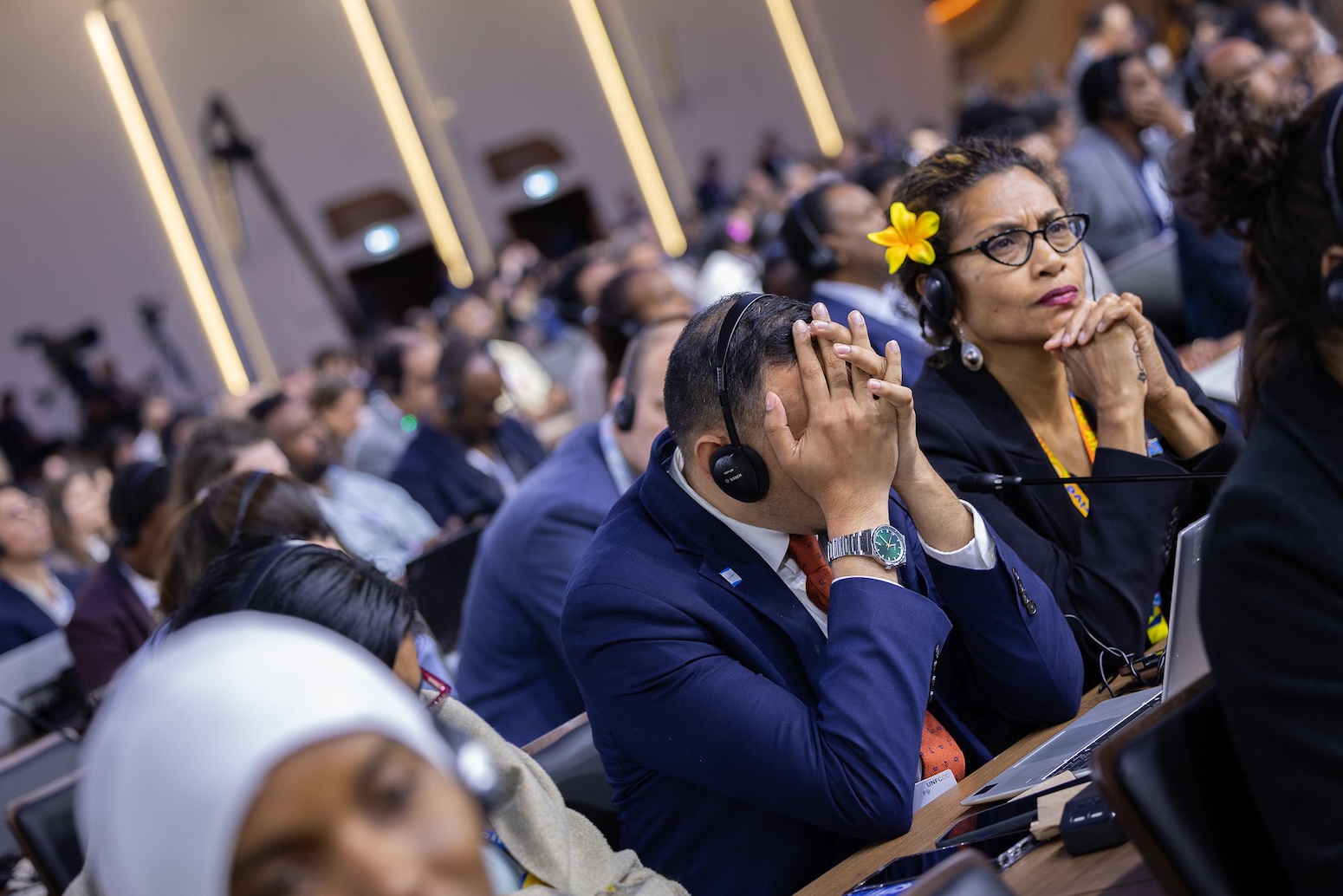
After two weeks of discussions, key parties including the European Union, the United Kingdom, and several nations vulnerable to climate change rejected the pact during the final plenary session. Many delegates expressed disappointment, highlighting the potential loss of progress on ocean-climate initiatives.
The conference extended nearly 50 hours beyond its scheduled end, yet did not yield substantial agreements on various critical topics. For the second consecutive year, dialogues surrounding agriculture and food security faltered, necessitating their continuation into next year.
Food systems advocates found some solace in the inclusion of “agroecology” within a decision linked to the “just transition work programme.” However, ocean conservation groups voiced concern that COP31 did not fulfill its aspirations of being a “blue COP,” despite a heightened focus on ocean-climate connections.
Funding for food systems and nature initiatives remained limited, with only minimal pledges made toward ocean projects and a couple of contributions to the Tropical Forest Forever Facility. Carbon Brief has conducted an analysis of key outcomes affecting food, forests, oceans, and nature from COP31.
Formal Negotiations and Cover Decision
Cover Decision
The concluding draft of the COP31 cover decision faced rejection from at least 32 nations during a tumultuous final plenary session. This outcome was surprising given that cover decisions have been a standard feature of recent COPs.
Many parties expressed dissatisfaction regarding the process and content of the cover decision, particularly its omission of fossil fuel references and specific climate finance targets. Ocean advocates had hoped the cover decision would highlight ocean-climate interlinkages, but those aspirations were unmet.
The initial draft of the cover decision, released on November 16, contained 21 mentions of ocean-related issues, including climate change impacts and support for ocean-observing systems. However, as negotiations advanced, references to ocean-related initiatives were reduced significantly.
During the final plenary, Fiji’s Dr. Sivendra Michael urged the COP31 president to preserve the consensus on ocean-related issues as a standalone decision. Fiji’s environment and climate change minister, Lynda Tabuya, emphasized the critical connection between climate action and ocean health.
Negotiations on Agriculture and Food Security
Negotiations concerning the Sharm el-Sheikh Joint Work on Agriculture (SJWA) once again collapsed without agreement. SJWA serves as the formal negotiation platform for climate change and agriculture under the UNFCCC.
Despite initial optimism regarding the potential recognition of agroecology, discussions faltered due to complications introduced by the Arab group, which emphasized the need to address trade measures affecting food security.
Subsequent drafts presented to parties were unsatisfactory, leading to procedural texts that only called for continued consideration of SJWA at mid-year intersessional meetings. The lack of finance and failure to connect agriculture with mitigation targets were highlighted as significant obstacles to reaching consensus.
Climate Finance and Adaptation
Discussions surrounding adaptation finance dominated negotiations, particularly regarding the goal to triple adaptation funding by 2035. Despite early drafts referencing a $120 billion target, this figure was ultimately excluded from final agreements.
Parties also worked to establish an expert task force to refine a set of 59 indicators to assess progress in adaptation efforts across various sectors, including food and agriculture.
Ocean Initiatives and Funding
Despite the lack of an official ocean pact, COP31 saw some commitments towards marine protection. The UK announced a new £20 million funding initiative for marine conservation, and Australia committed $10 million to the “Unlocking Blue Pacific Prosperity” initiative.
However, advocates lamented that many of the discussions on ocean-related issues did not translate into formal agreements, with ocean-related initiatives failing to gain the prominence many had hoped for.
Conclusion
COP31 concluded with various outcomes that reflected the ongoing challenges of international climate negotiations. While some progress was made in terms of funding commitments and recognition of issues, the overall lack of substantial agreements raises questions about the path forward as the world grapples with the urgent need for climate action.









Discussion about this post