









COP31 Climate Talks Conclude Without Agreement on Key Pact
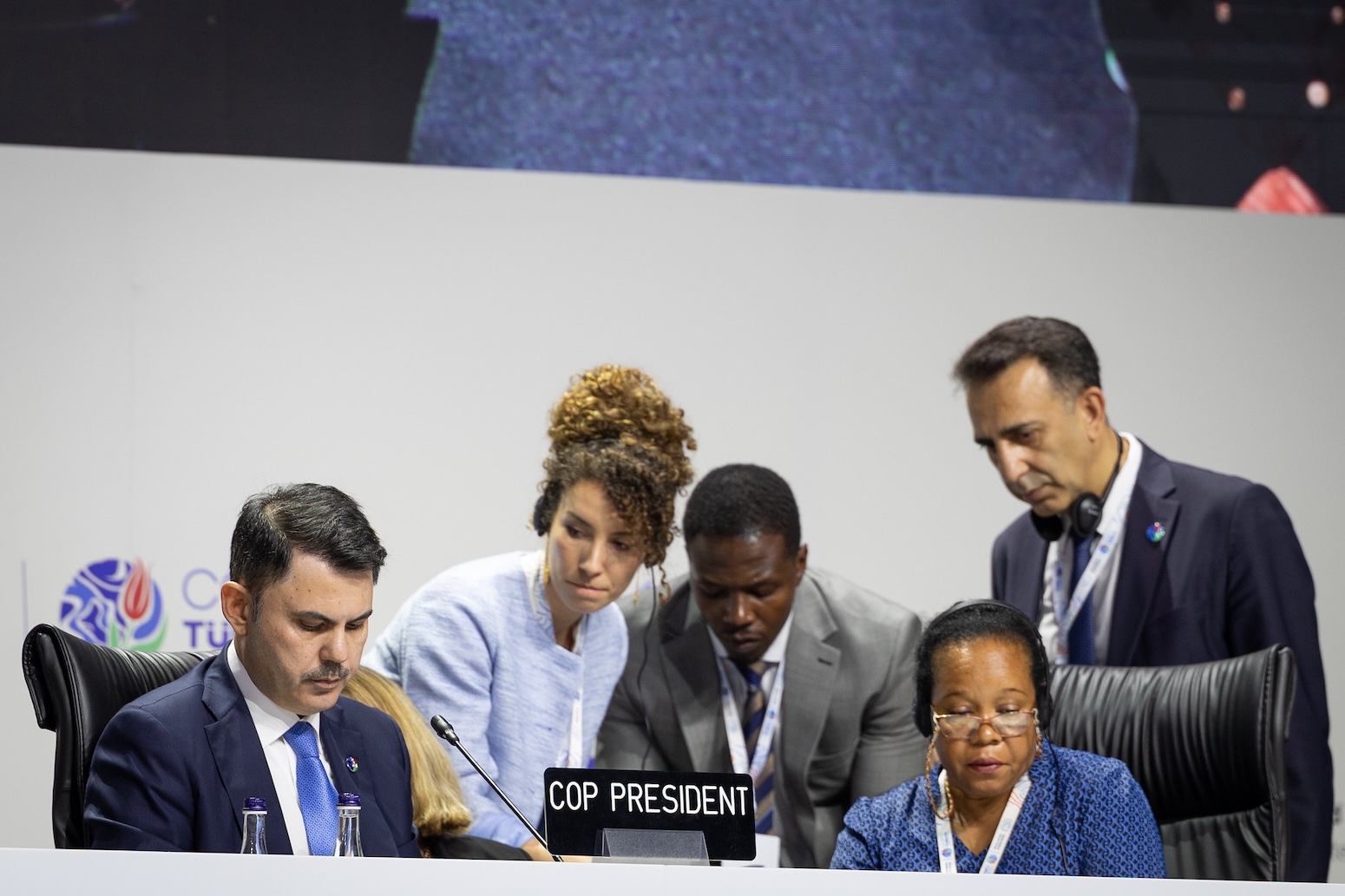
The COP31 climate negotiations held in Antalya, Turkey, concluded without a consensus on a proposed agreement that failed to adequately address the reduction of fossil fuel usage and the enhancement of climate financing.
The suggested “Antalya pact,” put forth by the joint leadership of Turkey and Australia, faced rejection in the closing hours from the EU, the UK, and various climate-sensitive nations.
Numerous developing countries voiced their frustration regarding the stagnation in climate finance discussions, particularly criticizing the absence of a clear target for the proposed $120 billion funding aimed at climate adaptation efforts.
UNFCCC chief Simon Stiell expressed his “deep disappointment” over the divisions that obstructed consensus on the presidency-led pact, emphasizing the need for reform within the UN climate process.
Despite the chaotic conclusion, which marked COP31 as the longest in history, several items were adopted during the final plenary session. These included limited procedural outcomes regarding a new global mechanism for “just transitions” and support for nations affected by climate disasters.
In a more positive development, a growing coalition of countries is advocating for “roadmaps” to facilitate the transition away from fossil fuels. The presidency emphasized “electrification” as a critical theme, and approximately 80 nations have committed to a global target of achieving 35% of final energy consumption from electricity by 2035.
Formal Negotiations Overview
Leadership from Turkey and Australia
Turkey and Australia presided over the longest COP in history, yet failed to build consensus on their proposed cover decision, revealing significant rifts among countries regarding fossil fuel issues and the fulfillment of climate finance commitments from developed nations.
Experts stated that while the talks did not “collapse” entirely, the rejection of the cover decision marked a pivotal moment, indicating a rejection of the minimal ambitious standards being offered.
The long-standing dispute over the host for COP31 had culminated in a compromise between Turkey and Australia, leading to Antalya being chosen as the venue for the summit, with Australia assuming the role of “president of negotiations.”
Critics highlighted the suitability of both countries to host, given their ongoing fossil fuel expansions. Turkey’s recent announcement of new oil field discoveries just before the summit and Australia’s status as one of the largest CO2 exporters raised eyebrows.
Prior to the summit, the presidency outlined a vision through four official letters, detailing priorities such as clean energy, electrification, and resilience.
The pre-COP meeting in Fiji in October was attended by 3,000 participants, setting the stage for discussions leading to COP31. However, logistical challenges marred the initial days of the summit, causing significant delays for attendees trying to access the venue.
Outcomes of COP31
Negotiation Dynamics and Challenges
As COP31 unfolded, discussions over adaptation finance, climate action, and the just transition mechanism were crucial yet fraught with contention. The final outcomes reflected these tensions, with many nations expressing dissatisfaction over the lack of concrete commitments.
While procedural agreements were reached, including a work program for climate finance, the absence of aggressive targets and clear financing commitments disappointed many observers.
Despite these setbacks, the summit saw the establishment of new collaborative efforts aimed at strengthening climate action, with significant emphasis placed on electrification as a means to achieve broader energy goals.
Future Directions and Implications
The rejection of the Antalya pact signals a critical juncture in international climate negotiations, prompting calls for a reevaluation of the current processes and mechanisms within the UNFCCC framework. As COP32 approaches, it will be essential for parties to address the shortcomings observed in Antalya and seek more robust solutions to the climate crisis.
Moving forward, the focus will likely include enhancing climate financing, addressing the urgency of fossil fuel phase-out, and fostering collaboration among nations committed to ambitious climate action.






Discussion about this post