









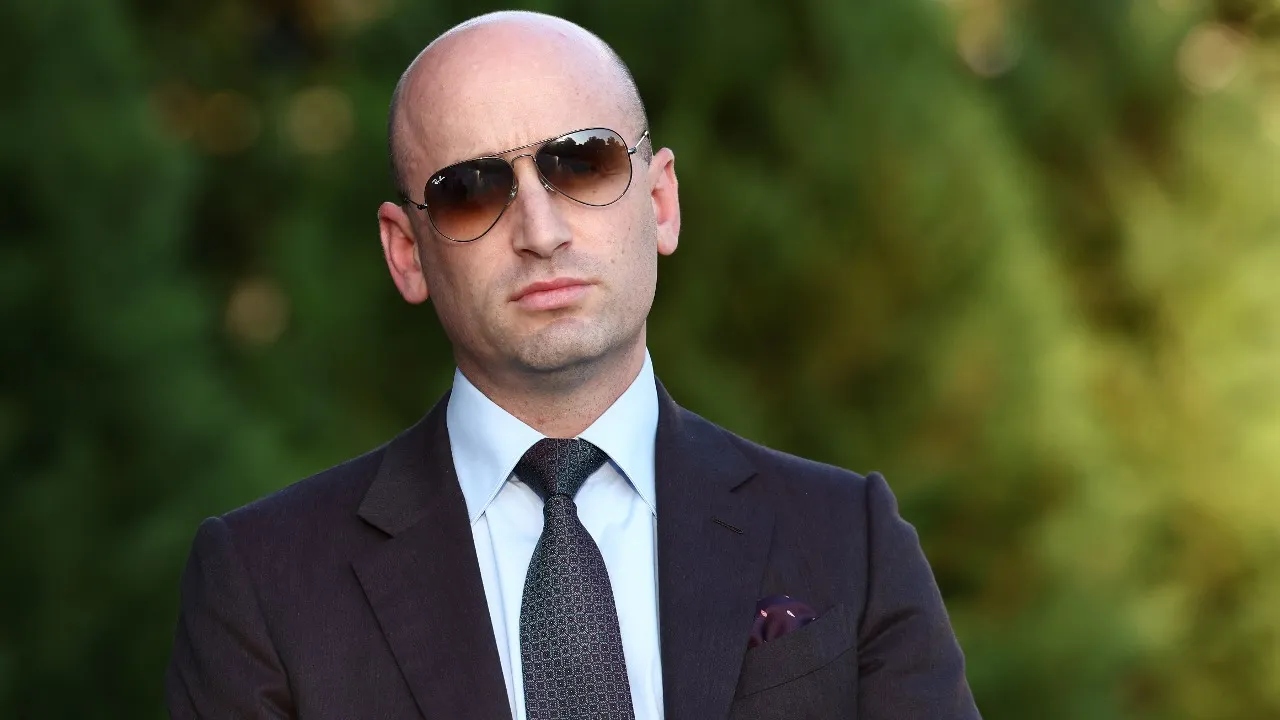
Trump Appoints Stephen Miller as New Chief of Staff
On Friday, President Donald Trump announced the appointment of Stephen Miller as his new White House chief of staff, highlighting Miller as one of his “most trusted advisors.” The transition will take effect on Monday, with Miller stepping in to fill the position formerly held by Susie Wiles.
In a written statement, Trump expressed gratitude towards Wiles, acknowledging her contributions during her tenure. “I want to thank her for her service as Chief of Staff—she has done a great job!” he noted.
Wiles’ Departure and Reflections
Following the announcement, Wiles formally communicated her resignation, stating, “Today is my last day as White House Chief of Staff.” She reflected on her experiences in the role, emphasizing pride in the administration’s accomplishments, including border security and economic growth.
Wiles had previously announced her diagnosis of early-stage breast cancer in March, but later shared her recovery, citing strong support and determination in her journey.
Political Context and Transition
Wiles’ resignation follows significant Republican losses in the recent midterm elections, where the party lost control of both the House and Senate. This electoral setback was coupled with widespread public concern over issues related to the ongoing conflict in Iran and economic affordability.
A White House official described the decision for Wiles to step down as amicable, confirming that she submitted her resignation on Thursday night.
Miller’s Role Moving Forward
Wiles is recognized as a prominent figure in Trump’s political strategy, having initially supported his 2016 campaign. She served for 21 months as chief of staff, the longest tenure during Trump’s presidency, succeeding other chiefs of staff who had shorter tenures.
Miller’s appointment has been met with approval from within Trump’s inner circle, with sources calling him a “great pick” who commands trust among millions of Americans regarding issues of border security.
Wiles’ Legacy and Challenges
While in her role, Wiles faced several challenges, including controversies surrounding internal communication and public perceptions of her strategies. She has been characterized as a key strategist in Trump’s re-election efforts and was noted for her steadfast approach during contentious moments.
As the Trump administration transitions to new leadership, the future dynamics within the White House remain a topic of considerable interest, particularly in light of the recent political shifts.









Discussion about this post