










Japan may be a relatively compact country, but its regions are rich with unique customs, cultures, and even languages. While the standard Tokyo-style Japanese is widely spoken, many areas have distinct local dialects—some so different that TV shows often add subtitles for clarity.
Among the most well-known is the Kansai dialect, frequently heard in comedy shows thanks to Osaka’s status as Japan’s entertainment capital. Other unique examples include the Tohoku dialect, nicknamed “Zuzu-ben” for its distinct pronunciation, and the Ryukyu dialect of Okinawa, shaped by its own cultural and historical roots.
These regional dialects can sound completely different from standard Japanese, with variations in tone and vocabulary. Even Japanese people sometimes struggle to understand them—but many still find them irresistibly charming. Here’s a look at the top five most adorable dialects, as ranked by locals!
When Did Japanese Dialects Emerge, and How Did They Spread?

Japanese dialects generally fall into two categories, one being dialects that developed independently in each region. In the past, transportation wasn’t as accessible as it is today, making it difficult for language and information to travel freely between areas. As a result, each region’s way of speaking evolved separately, shaped by local climate, culture, and lifestyle.
For example, a condition like frostbite is called “shimoyake” in the milder Pacific coast areas, but in the snowy Japan Sea side, it’s called “yukiyake.” Though referring to the same thing, the differing terms reflect how local environments influenced language development.
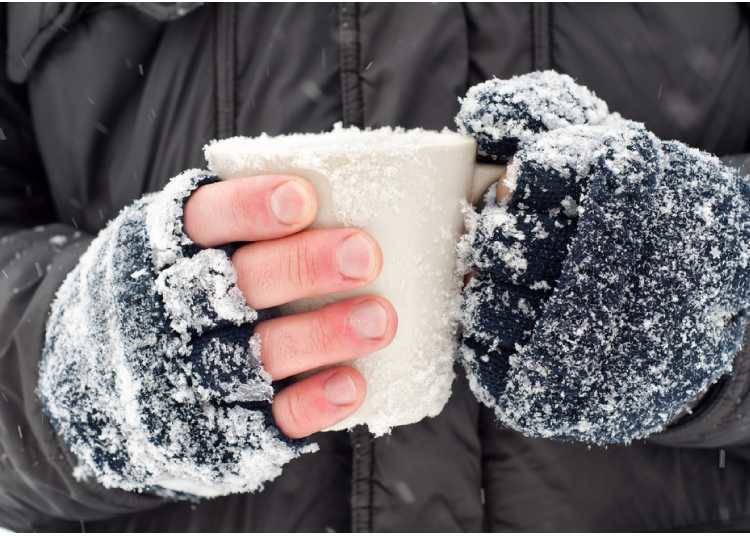
Another way climate influences language can be heard in colder regions. In these areas, people tend to speak with smaller mouth movements to keep cold air from entering their bodies. The cold also stiffens facial muscles, making it harder to articulate words clearly—resulting in dialects that often sound more mumbled or slurred.
The second type of dialect is known as a concentric dialect spreading from the cultural center outward. Historically and today, new words often originate from political, economic, or cultural hubs and spread outward like a ripple. In the past, this spread depended on face-to-face interaction—travelers and merchants carrying new words to surrounding areas. By the time those words caught on in the countryside, the city center may have already moved on to newer trends.
Today, however, thanks to the internet and social media, regional barriers to language have mostly disappeared. Th…
See More >>










Discussion about this post