









Controversy Erupts Over Transgender Athlete Participation in Girls’ Sports in Washington
The participation of a transgender athlete in a girls’ race has sparked significant debate among high school runners and their families in Washington. Joel Retzlaff, whose daughter is an athlete in the state’s high school track program, recently spoke on ‘America Reports’ about the implications of this situation, emphasizing the concerns voiced by female runners who are protesting the inclusion of a biological male in their competitions.
Massachusetts Field Hockey Scenario Raises Questions
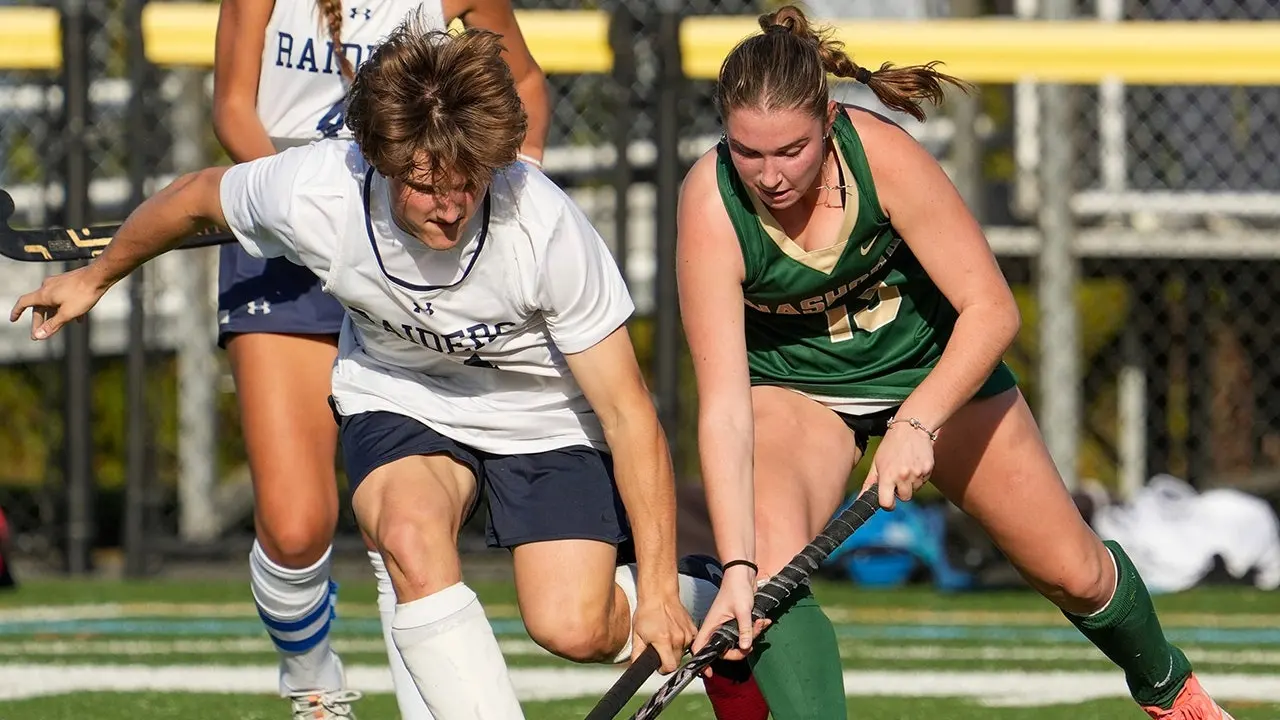
In a related event at Somerset Berkley Regional High School in Massachusetts, a male field hockey player has come under scrutiny for competing on the girls’ team. This decision was made due to the absence of a boys’ field hockey team at the school. Massachusetts rules allow boys to compete on girls’ teams if their school does not offer a boys’ equivalent. However, the situation has been met with disapproval from opposing fans, who booed the player each time he touched the ball, suggesting that the issue transcends mere transphobia and instead pivots on fairness in competition.
Impact on State Championships
On Saturday, Somerset Berkley clinched its third consecutive state championship in girls’ field hockey with a 5-4 overtime victory against Nashoba Regional. The team’s success was significantly bolstered by the male player, Ryan Crook, who scored two goals and was named the South Coast Conference MVP for the second consecutive season. This achievement is particularly noteworthy as Crook’s brother previously led the team to state titles in 2018 and 2019, with their mother, Jen Crook, serving as the head coach.
The Debate on Gender and Competition
The controversy surrounding Crook’s participation highlights a broader conversation about the competitive advantages that biological males may hold in female sports. Critics argue that the inclusion of male athletes, regardless of gender identity, can undermine the integrity of women’s competitions. This sentiment has been echoed by advocates for women’s sports, such as Riley Gaines, who emphasize the need for fairness and safety in athletic competitions.
Safety Concerns in High School Sports
The Massachusetts Interscholastic Athletic Association has previously attempted to address these concerns by proposing a separate boys’ field hockey league. However, the lack of interest among boys has rendered this initiative unfeasible, leaving the competitive landscape largely unchanged. The ongoing situation raises questions about the safety and fairness for female athletes who may face physical disadvantages against male competitors.
Coaching and Parental Perspectives
Coach Jen Crook defended her decision to allow her son to compete with the girls, stating that her intentions were rooted in teaching him the sport she loves. However, this has not alleviated the concerns expressed by parents and competitors regarding the implications of such participation. Critics maintain that the competitive advantages inherent in biological differences cannot be overlooked, regardless of an athlete’s identity.
Conclusion: The Future of High School Sports
The ongoing debate encapsulates the complexities surrounding gender identity in sports, particularly at the high school level. While some advocate for inclusivity, others emphasize the need for fair competition. As discussions continue, the sports community must navigate these challenging dynamics to ensure a safe and equitable environment for all athletes.









Discussion about this post