


Minister Engages with Content Creators to Shape Digital Content Landscape
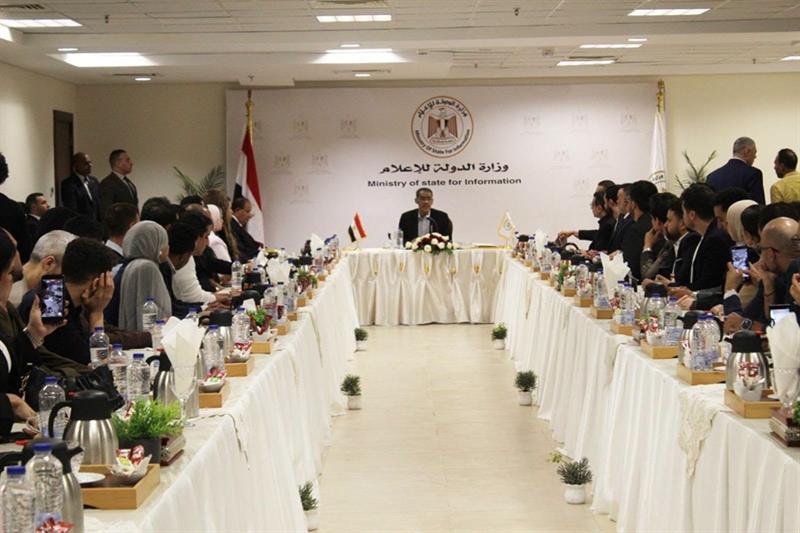
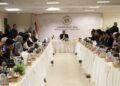
On Sunday, November 1, Minister of State for Information Diaa Rashwan convened a meeting with approximately 70 Egyptian content creators and social media influencers to discuss the future trajectory of the nation’s digital content sector. The agenda included the establishment of an organizing framework, setting professional standards, and enhancing access to official information.
This gathering follows recent Cabinet discussions that evaluated recommendations for implementing new policies aimed at curtailing harmful practices on social media. Proposed amendments include higher fines for disseminating false information and the development of a digital safety law.
Push for an Umbrella Organization for Content Creators
Participants at the meeting advocated for the formation of a national umbrella organization for content creators, designed to establish professional and ethical guidelines while regulating interactions with traditional media entities.
Additionally, attendees called for a clearer definition of the term “content creator” and sought to establish criteria to differentiate professional creators from the broader community of social media users.
Minister Rashwan emphasized that the government will not create a syndicate for influencers but encouraged content creators to form their own association in line with constitutional provisions and legal frameworks. He also mentioned that the ministry is exploring ways to support the sector and facilitate communication channels between professional content creators and official information sources, enabling the production of content derived from verified data.
Furthermore, Rashwan disclosed ongoing efforts toward implementing a Freedom of Information Law for citizens and announced plans for Egypt’s inaugural national forum for content creators and influencers, scheduled for early 2027.
Regulatory Efforts on the Rise
The dialogue takes place against the backdrop of the government’s heightened focus on regulating Egypt’s digital landscape. On October 28, the Cabinet deliberated on a report produced by a committee established under Prime Minister Mostafa Madbouly, which was tasked with examining legislative and technical measures to mitigate negative social media practices and uphold family values and social cohesion.
Among the key recommendations were amendments to the Penal Code aimed at increasing penalties for offences related to the spread of false news and rumors. The report also highlighted the need for a digital safety law alongside enhanced technical oversight of online platforms and initiatives to raise public awareness.
However, the government has yet to announce specific fine amounts or a timeline for these amendments. Existing regulations, namely Egypt’s Law No. 180 of 2018, require personal websites, blogs, and social media accounts with a minimum of 5,000 followers to comply with restrictions on the dissemination of false information. This law empowers the Supreme Council for Media Regulation to enforce penalties for violations, including the potential suspension of accounts.
Content Creators’ Concerns and Requests
Beyond regulatory recognition, participants highlighted various practical challenges within the industry. These included issues with obtaining filming permits for public spaces, access to production resources, and safeguarding intellectual property rights when collaborating with international digital platforms.
Moreover, they proposed the introduction of identification cards to aid their professional activities, enhanced training opportunities, and greater inclusivity for deaf and hard-of-hearing audiences.
Some attendees suggested that television networks should integrate engaging digital content to captivate younger viewers while expressing their enthusiasm for producing material that promotes Egypt’s tourism, economy, culture, and history.
This meeting marks the eighth in a series of consultations facilitated by Rashwan, which have included approximately 250 media professionals from state-owned, private, and party-affiliated media organizations, as well as representatives from press and media syndicates.
Rashwan articulated the growing significance of digital content as a tool for shaping and influencing public opinion, emphasizing its potential to complement traditional media when upheld to appropriate professional standards.








Discussion about this post