









EU Proposes Major Sanctions Targeting Russian Sports and Other Sectors
The European Union is set to introduce comprehensive new restrictions on Russian participation in sports across Europe as part of its latest sanctions strategy in response to Russia’s ongoing invasion of Ukraine.
These proposed measures aim to prohibit the display of Russian national symbols at sporting events within the EU, prevent Russian nationals from holding positions in sports federation governing bodies, and disallow sports clubs from receiving financial support from the Russian government.
Documents reviewed by RFE/RL indicate that these proposals are included in the EU’s 22nd sanctions package since the onset of Russia’s full-scale invasion in 2022. The package also targets various sectors, including energy, banking, and military, and suggests adding 82 individuals and entities to the sanctions blacklist.
The push for sports-related restrictions follows the International Olympic Committee’s (IOC) recent decision to provisionally lift the suspension of the Russian Olympic Committee (ROC), potentially allowing Russian athletes to compete under national symbols at events held in the EU.
Details of the Proposed Sports Restrictions
If enacted, the sanctions would explicitly forbid “the display of official Russian symbols and the presence of Russian government officials at sporting events within the Union.” Additionally, Russian citizens would be barred from holding any posts within the governing bodies of international or national sports federations based in the EU, and financial support from the Russian state or its proxies would be prohibited for sports clubs and cultural associations.
Key Individuals Targeted by the Sanctions
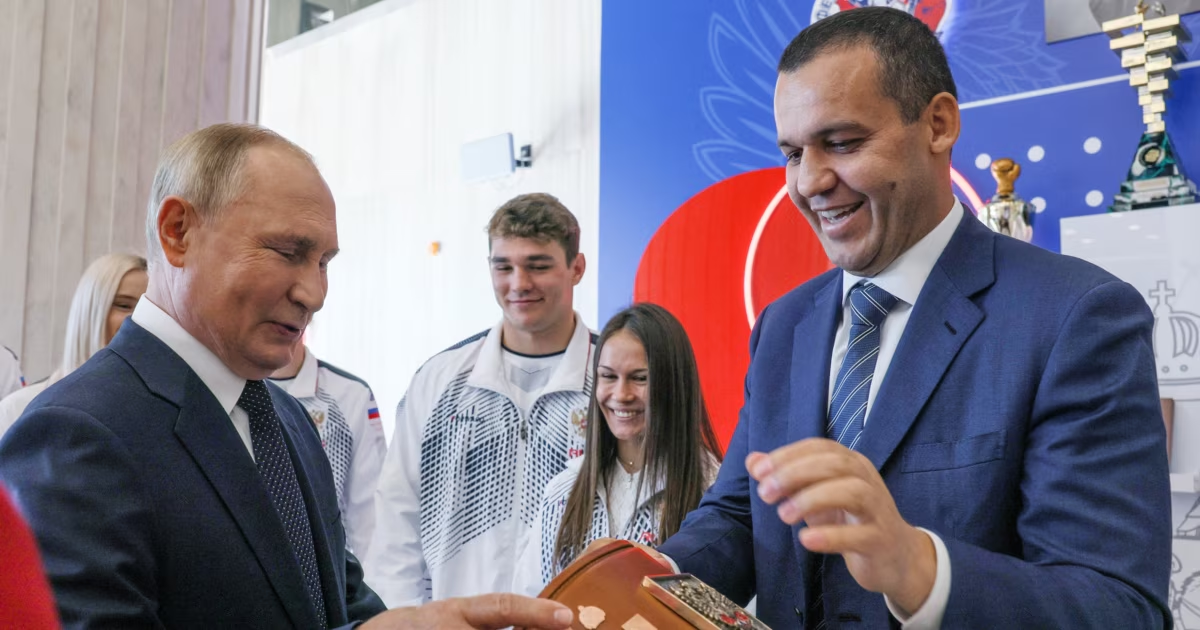
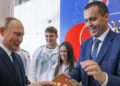
Among those highlighted for sanctions is Umar Kremlev, the president of the International Boxing Association (IBA). Kremlev would face a visa ban and asset freeze under the proposed measures. The EU documents reveal that the IBA is linked to a pro-Kremlin youth sports organization already blacklisted by the EU. His business interests include a prominent sports lottery and JSC Rolf, noted as “Russia’s largest car dealership group,” which provides significant services to the Russian government.
According to the EU’s assessment, Kremlev has received awards from Russian President Vladimir Putin and is actively engaged in actions that threaten Ukraine’s territorial integrity. His recent funding of celebrations for Donald Trump Jr. in the Bahamas has also raised eyebrows, despite being a private citizen’s activity.
Another prominent figure under consideration for sanctions is Artyom Gromov, head of the Russian Army’s Central Sports Club (CSKA). The documentation states that CSKA has been implicated in organizing humanitarian aid shipments to occupied Ukrainian territories and has hosted sports events in those areas.
Broader Implications of the Sanctions Package
In addition to sports-related sanctions, the proposed blacklist includes Sofrino, a manufacturing enterprise under the Moscow Patriarchate of the Russian Orthodox Church, which has produced religious items for Russian military personnel involved in the conflict in Ukraine.
The energy sector will also see increased restrictions, with suggestions to extend the current EU import ban on petroleum products from Russia to include fuel oil and vacuum gas oil. Furthermore, EU companies would be prohibited from constructing or operating liquefied natural gas (LNG) facilities or crude oil refineries in Russia. The sanctions package targets an additional 70 vessels believed to belong to a Russian shadow fleet that transports oil below the G7-mandated price cap.
Moreover, the proposed sanctions would impose an EU-wide ban on current and former soldiers who have fought for Russia in Ukraine. This move comes in response to concerns among several EU member states about Russian soldiers traveling to the bloc on short-term tourist visas, particularly from Mediterranean nations.
Brussels is also looking to implement stricter documentation requirements for Russian citizens applying for Schengen visas, including military identification. Proposed measures to limit the movement of Russian diplomats within the EU would mirror recent Russian policies regarding foreign diplomatic personnel.
Targeting External Support for Russia’s War Efforts
The sanctions package extends its reach to other nations perceived as aiding Russia’s military actions, including major Turkish fuel distribution companies and various firms in countries like India, Serbia, Thailand, Turkey, and the United Arab Emirates.
Additionally, the EU is focusing on cryptocurrency services that benefit Russia, particularly in Kyrgyzstan, where a blanket ban on transactions with crypto platforms is proposed. The EU documents indicate that Kyrgyzstan has emerged as a hub for circumventing sanctions through cryptocurrency, with authorities failing to act despite repeated outreach from the European Commission.




Discussion about this post