




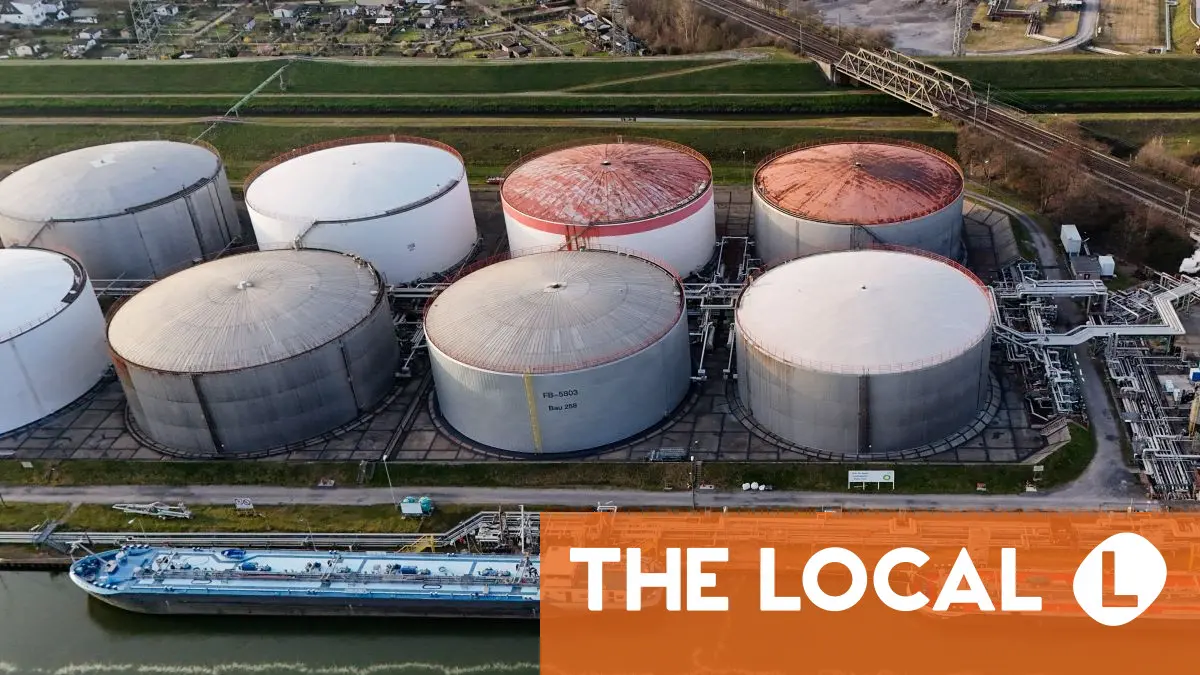
Germany Confirms Winter Gas Supply Amid Rising Energy Prices
On Monday, Germany reaffirmed its confidence in having sufficient gas supplies for the upcoming winter, despite falling short of a crucial storage target amid escalating global energy prices linked to the ongoing conflict in the Middle East.
Since the cessation of natural gas imports from Russia following the onset of the Ukraine war, Germany, Europe’s largest economy, has been diligently searching for alternate energy sources. Concerns have increased significantly as the winter months approach, raising fears about the impending cold.
The situation has further deteriorated this year, as the expenses associated with replenishing energy reserves have surged due to escalating gas prices driven by the U.S. conflict with Iran, marking some of the highest levels seen in years.
As of Monday, German gas storage facilities reported an average capacity of 61 percent, according to the European energy tracking platform AGSI. This figure falls below the legally mandated requirement of 70 percent for November 1st and also trails the European Union average of nearly 75 percent.
Nevertheless, a spokesperson from the economy ministry assured AFP that “gas supply in Germany is secured for the coming winter even at the current storage levels.” She pointed to the country’s successful diversification of energy sources since the energy crisis commenced following Russia’s full-scale invasion of Ukraine in 2022.
The spokesperson highlighted that increased imports of liquefied natural gas (LNG) have significantly alleviated supply concerns. Germany has expanded its import capabilities, including the establishment of new LNG terminals, predominantly receiving shipments from the United States, with a portion also coming from the Middle East.
She remarked that the storage target of 70 percent should be viewed flexibly and in the context of the overall energy supply situation.
However, the German Gas Storage Association (INES) expressed concerns over missing the deadline, labeling it a “clear signal that instruments for ensuring winter preparedness need to be further developed.” The association emphasized that stricter regulations are necessary to meet these targets.
Additionally, signs indicate that the German government is increasingly anxious about the situation. In September, the economy ministry directed a state-owned energy company to enhance gas reserves, citing “ongoing geopolitical risks.”
READ ALSO: German Inflation Rises with Energy Costs as U.S.-Iran Conflict Continues










Discussion about this post