









Economic Landscape Shifts: A Deteriorating Wealth Effect
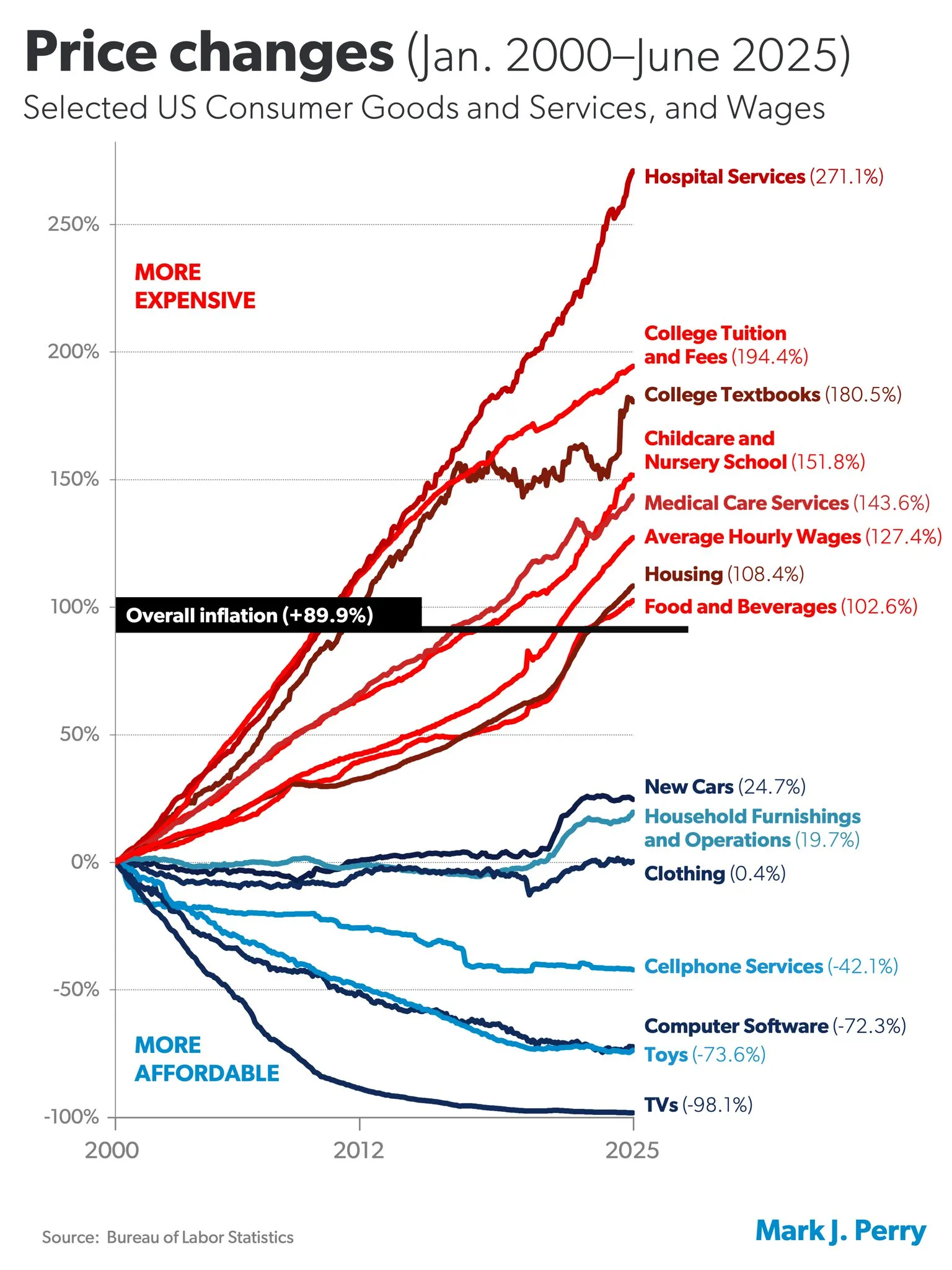
In recent years, many individuals have accepted an implicit agreement with inflation. Yes, everyday expenses like food, tuition, and healthcare have risen. However, gains in stocks, real estate, and private investments outpaced these increases, leaving many feeling financially secure. That perception has dramatically changed.
Following the recent midterm elections, inflation remains high, yet the values of stocks, commodities, and cryptocurrencies are declining. Real estate typically lags behind in these trends, signaling a troubling scenario for wealth accumulation: rising costs coupled with falling asset values.
If your financial situation has shifted from feeling affluent to financially strained in a matter of weeks, you are not alone. Many portfolios, particularly those heavily weighted in technology, have experienced significant downturns, averaging a 20% decline from previous highs. This has resulted in substantial losses, equivalent to years of living expenses.
Fortunately, the principles of FIRE (Financial Independence, Retire Early) and a cautious approach to debt have helped mitigate further losses from margin trading.
The Inflation Bargain: An Analytical Perspective
Consider a household with $1 million in investments and an annual expenditure of $120,000. With an inflation rate of 3.7%, the cost of living increases by approximately $4,400 annually.
When the investment portfolio appreciated by 20%, the household enjoyed a $200,000 gain—sufficient to cover 45 years of inflation increases. In contrast, with a current decline of 12%, that translates to a $120,000 loss, while the living costs remain unchanged. This scenario leaves households feeling increasingly vulnerable as they pay more for necessities while their asset values diminish.
This shift in sentiment has occurred rapidly because the wealth effect operates more swiftly in a downturn. Understanding the trajectory of the market and strategizing for survival is crucial as we navigate this changing economic landscape.
How We Arrived at This Point
The political landscape shifted dramatically after the Democrats gained control of both the House and Senate during the midterm elections, leading investors to anticipate a slowdown in AI data center investments. The market began to correct itself in response.
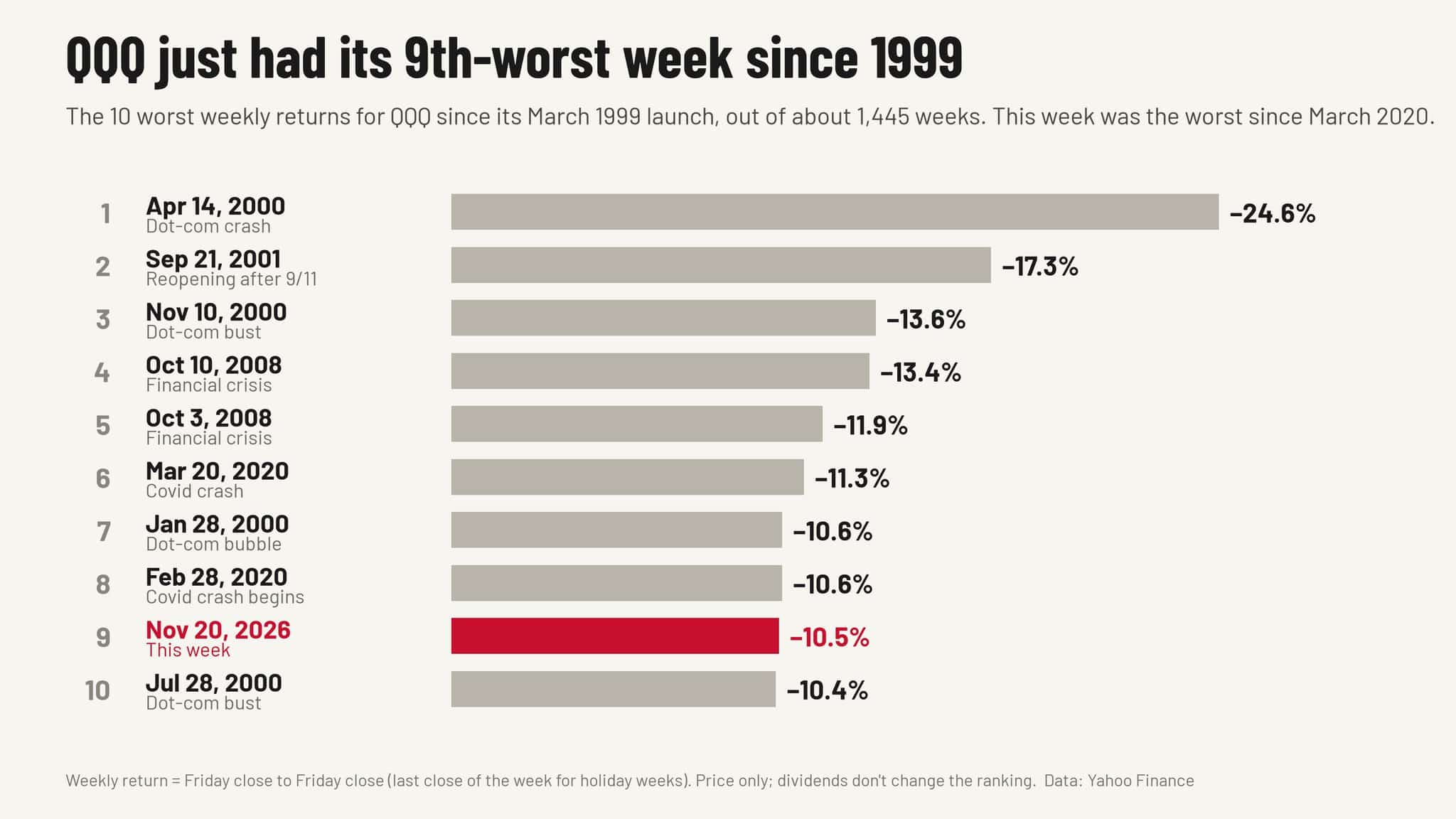
This correction was exacerbated by events surrounding Nvidia and broader concerns impacting the AI sector, culminating in a significant drop for the QQQ index—its worst week since March 2020, declining by 10.5%. As of November 20, the S&P 500 closed at 6,910, approximately 11.6% lower than its peak on October 6. A further drop of about 9.5% would officially mark a bear market.
Despite the political results, the ongoing market recalibrations reflect future expectations rather than immediate reactions.
Moreover, inflation continues to rise, with the Consumer Price Index (CPI) recording a 3.7% increase in September. October prices increased by 0.4% month-over-month, contributing to a 37% rise in gasoline prices year-over-year. The market is now anticipating a Federal Reserve rate hike in December, which poses challenges for a declining stock market.
Corporate Earnings: A Surprising Growth Trend
What distinguishes the current downturn from those of 2000 or 2008 is the continued growth in corporate earnings. Goldman Sachs projects S&P 500 earnings of $375 for 2026, $415 for 2027, and $460 for 2028.
As stock prices decline while earnings rise, the market is signaling a reduction in the multiples investors are willing to pay. The forward price-to-earnings (P/E) ratio for the S&P 500 has fallen from approximately 23x to 16.5x over the past year—a 29% de-rating in just over a year.
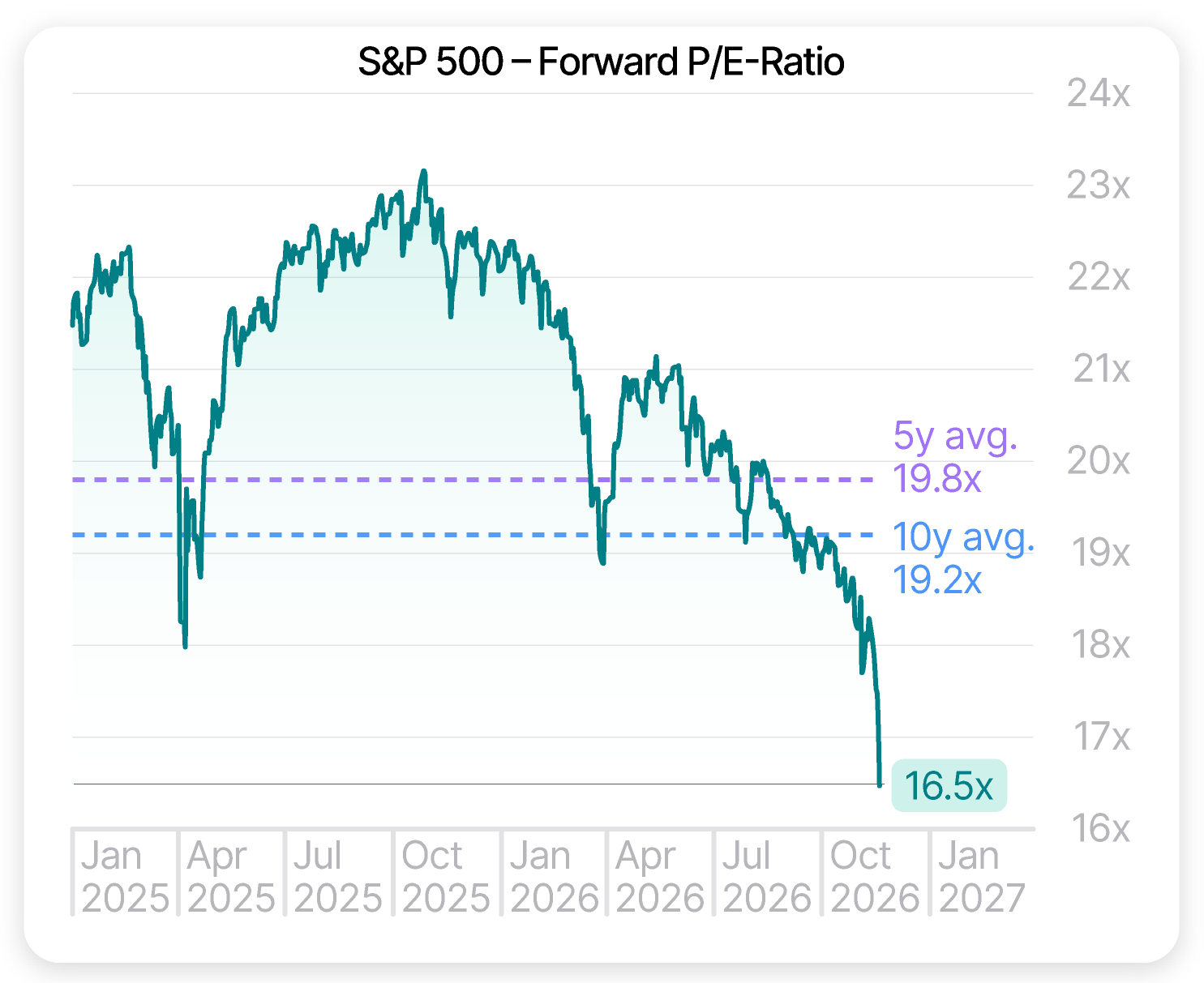
In essence, the market is not suggesting that companies are earning less; rather, it indicates skepticism regarding the pace of AI profit growth and a demand for a larger margin of safety against risk.
Potential S&P 500 Outcomes Based on Valuation Reversion
At the current level of 6,910 and a P/E ratio of 16.5x, the implied forward earnings estimate is around $418, aligning closely with Goldman’s forecast of $415 for 2027. Evaluating various scenarios based on historical averages yields the following:
| Scenario | Forward P/E | S&P 500 Level | Change from 6,910 |
|---|---|---|---|
| Back to 5-year average | 19.8x | 8,276 | +19.8% |
| Back to 10-year average | 19.2x | 8,026 | +16.1% |
| Stays here | 16.5x | 6,910 | 0% |
| Long-run average | 15.3x | 6,395 | -7.5% |
| Deep value | 12.8x | 5,350 | -22.6% |
Interestingly, the S&P 500 is already trading below its 5-year and 10-year averages. If valuations revert to historical trends, the index could see a rise of 16-20%.
Conversely, if the last decade’s low valuations are viewed as anomalies, a reversion to the 15x average could lead to a further decline of 7-8%. A drop to the 12.8x lows from the post-financial crisis era could result in a 23% drop.
The Potential Impact of AI Spending Cuts on Earnings
The more pressing concern may not be valuation multiples but rather corporate earnings. If AI expenditures are reduced and forward earnings decrease by 10% to approximately $376, the implications could be severe.
| Earnings Reduction Scenario | Forward P/E | S&P 500 Level | Change from 6,910 |
|---|---|---|---|
| Market regains its 10-year multiple | 19.2x | 7,219 | +4.5% |
| Multiple remains at current levels | 16.5x | 6,204 | -10.2% |
| Multiple compresses to 15x | 15.0x | 5,640 | -18.4% |
The worst-case scenario involves both a decline in earnings and a reduction in multiples, potentially dropping the index to the 5,600-5,700 range—aligning with a typical bear market, rather than a catastrophic collapse.
Given the current environment, watching earnings projections over the coming quarters is vital in determining whether we face a correction or a full bear market.
Anticipating Mass Layoffs: Preparing for the Inevitable
As stock prices decline, corporate leaders often respond by cutting expenses, with personnel costs being the most significant line item. Layoffs, which were already on the rise prior to this market downturn, are likely to accelerate in the first quarter of the next year.
In the tech sector alone, over 171,000 job cuts have been announced, a 21% increase compared to the previous year, largely attributed to AI advancements. The combination of a market correction and rising interest rates suggests even more layoffs are forthcoming.
Those facing potential layoffs should demonstrate their value by being proactive and engaged in their roles. Individuals who are visible and actively contributing to their teams may fare better during workforce reductions. Alternatively, those considering leaving their jobs might negotiate severance packages now to secure financial support during a challenging job market.

Strategies to Endure Rising Inflation and Falling Asset Values
Most strategies for navigating market downturns assume falling inflation and rate cuts on the horizon. This time, the reality is different. With both rising costs and declining asset values, individuals must adapt their strategies across multiple fronts.
1) Prioritize Income Protection
In a bullish market, investment portfolios often outperform salaries. In the current climate, however, your job offers the only stable asset amidst daily market fluctuations. Treat your employment as your most valuable asset.
Aim to enhance your productivity and visibility at work, using technology to increase efficiency rather than becoming dispensable. If you are considering leaving your job, reconsider and instead focus on securing your income while preparing for potential layoffs.
Additionally, consider establishing a secondary income stream that can help cover essential expenses and contribute to your financial security.
2) Safeguard Your Purchasing Power
If you secured a low fixed-rate mortgage, this is an advantageous position as inflation effectively reduces your debt burden. Avoid aggressively paying down this debt at the expense of liquidity.
With rising interest rates, cash investments in money market funds or Treasury bills can provide solid returns. Favor assets that can adjust with inflation, such as real estate, while monitoring and managing variable expenses, particularly those that have surged in price.
For instance, consider reducing discretionary spending and opting for repairs over new purchases to manage costs effectively.
3) Align Purchases with Valuation Metrics
Instead of trying to time the market, base your investment decisions on forward P/E ratios. Determine your purchasing strategy at various valuation levels, buying incrementally as the market fluctuates.
Before making any purchases, assess your financial risk tolerance through a comprehensive analysis of potential losses relative to your savings and monthly contributions. Avoid selling high-quality assets to fund a lifestyle that inflation has inflated, as this could lead to permanent financial setbacks.
4) Safeguard Mental Well-Being and Future Generations
For retirees, consider lowering withdrawal rates during this period of uncertainty. Embrace the opportunity to work less when market returns diminish, which can be a comforting strategy.
For parents, downturns present unique opportunities to invest in your children’s futures. Consider allocating funds into custodial accounts and purchasing stocks during market dips to take advantage of lower prices.
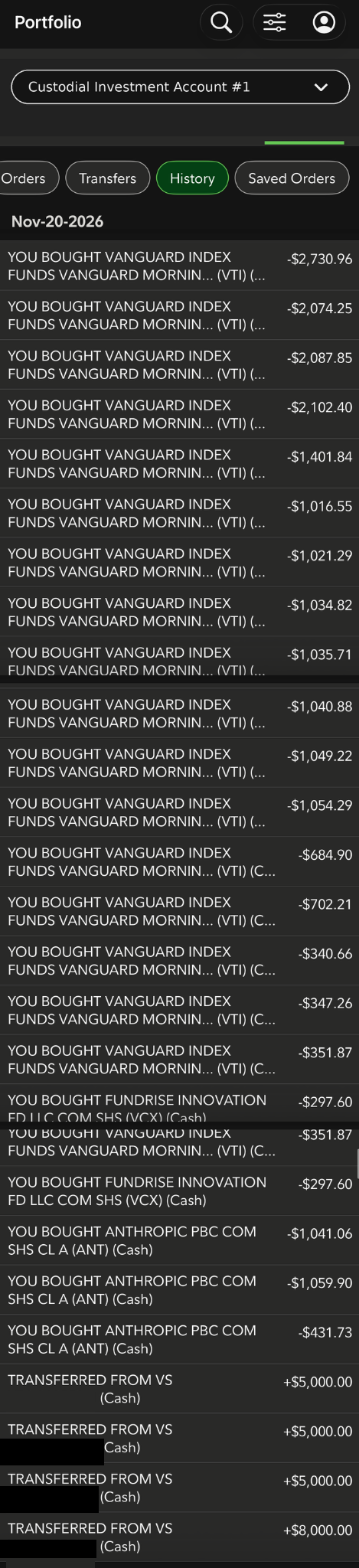
This approach not only instills financial wisdom but potentially positions them for significant future wealth. While the market may feel discouraging, redirect your focus towards constructive projects and family time to reclaim a sense of control and positivity.
Fostering Optimism Amidst Uncertainty
It is essential to remember that market downturns are temporary, and wealth is cultivated through sustained market participation.
- Historically, the stock market has yielded positive returns in approximately 95% of rolling 10-year periods and 100% of rolling 20-year periods since 1926.
- Over the last decade, the Nasdaq has averaged nearly a 9% gain three months post-correction and approximately 17% six months later.
- Since 1950, the median outcome for the S&P 500 following midterm elections has positioned the index around 7,900, up from 6,900.
- Corporate earnings continue to grow, which is vital for the emergence of future bull markets.
- A Federal Reserve currently hiking rates has the capacity to lower them again should the economy weaken.
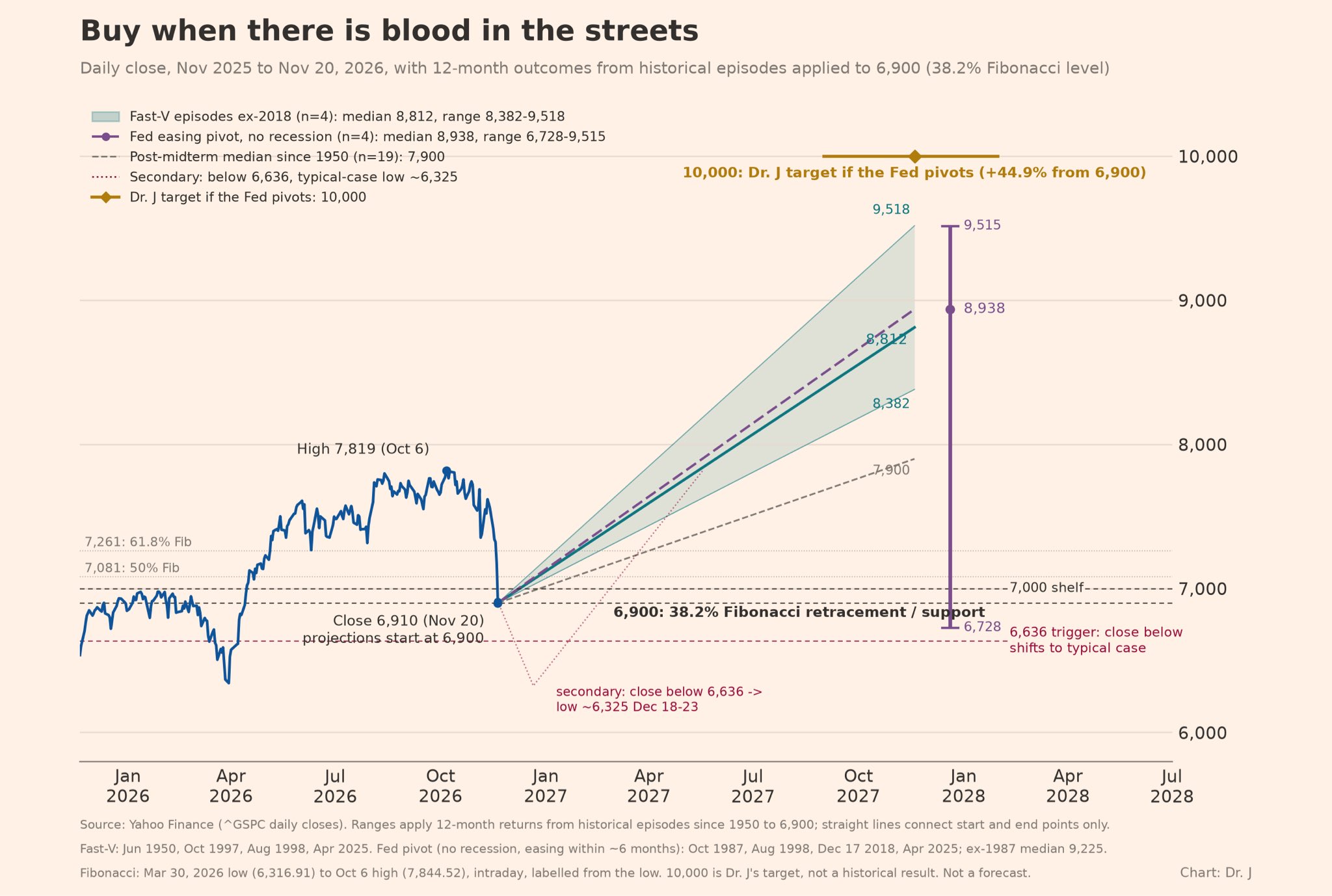
Bear markets often transfer wealth from the impatient to the patient and reveal those who have overextended themselves financially. Surviving this period with job security, cash flow, and mental well-being intact is essential, as the next bull market will take care of the rest.
Readers, how do you feel about job security versus investment losses? What are your predictions for the S&P 500 if earnings estimates are adjusted downwards? Are you engaging in strategic buying, hoarding cash, or adopting a wait-and-see approach? For those with experience in previous downturns, does this market feel different, given the resilience of corporate earnings?
Investment Suggestions
Consider Real Estate Investments for Diversification. While AI represents a transformative technology, it relies on physical infrastructure. Investing in real estate that supports this growth can provide stability without the volatility associated with tech stocks. Platforms like Fundrise offer opportunities to invest in industrial and data center-adjacent real estate, with a minimum investment of just $10.
Having invested over $500,000 in Fundrise, I can vouch for its alignment with sound investment principles.
Explore Wealth Building Literature. To enhance your financial acumen, consider reading Millionaire Milestones: Simple Steps To Seven Figures, a USA Today bestseller. A downturn is an opportune time to strategize and prepare for your next phase of wealth building.







Discussion about this post