

Unfolding Political Crisis in Poland: Constitutional Tribunal Under Siege
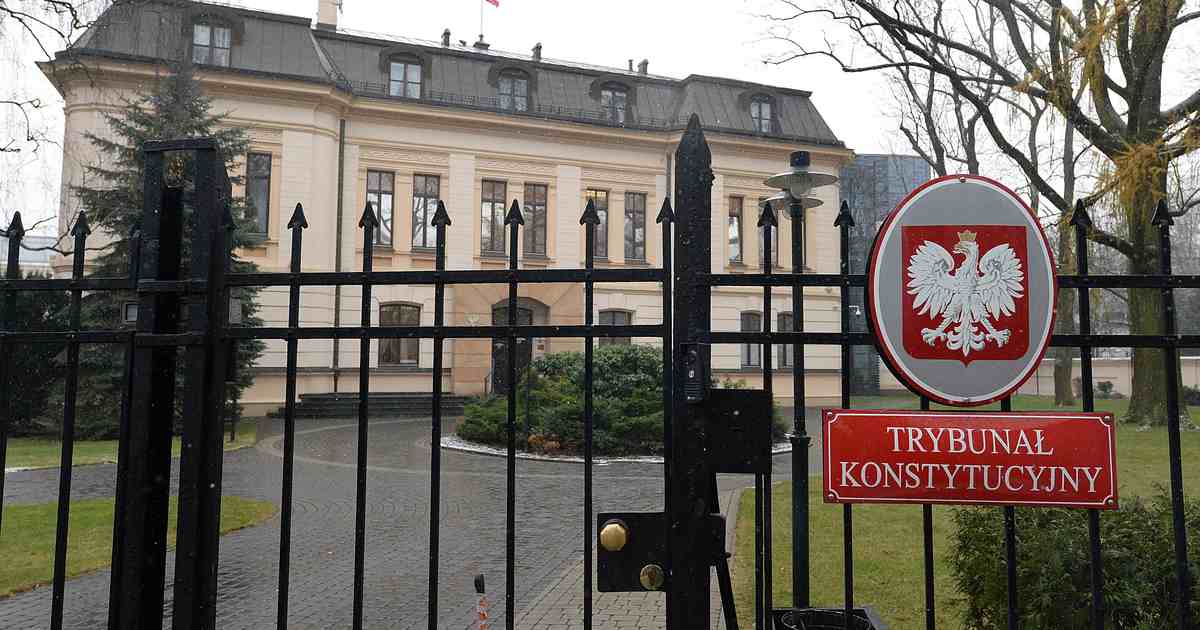
Last evening’s events in Warsaw escalated rapidly, catching many by surprise as the Polish police surrounded the Constitutional Tribunal building. This decisive action, ordered by Prime Minister Donald Tusk, occurred synchronously with President Karol Nawrocki’s scheduled departure to Senegal, rendering an immediate return nearly impossible.
Context of the Dispute
The struggle involves judges appointed by Tusk’s lower house, some of whom were not sworn in by Nawrocki. This contention, which has brewed for over a year, pits the newly elected right-leaning president against Tusk, who leads a pro-EU government. The conflict over the Tribunal dates back to 2015, well before the current political alignment.
The standoff involves Nawasocki’s refusal to recognize judges elected by Tusk’s government, alongside Tusk’s refusal to recognize the Tribunal’s legitimacy.
Clash of Authorities
Acting swiftly, Tusk’s chosen Tribunal president, Judge Korwin-Piotrowska, entered the building, declaring herself in charge and preventing others from accessing the premises. Meanwhile, Nawrocki managed to divert his flight back to Warsaw just in time, holding an emergency meeting with advisors before heading to the Tribunal.
Presidential Return and Confrontation
Upon Nawrocki’s arrival, he confronted Korwin-Piotrowska, who attempted to physically prevent him from proceeding. Eyewitnesses noted the tension, revealing Nawrocki’s visible astonishment at the encounter.
Nawrocki was reported to have been met by supporters chanting his name as he breached the police barricade, signaling public backing.
Allegations of Illegitimacy
In a surprising twist, reports emerged suggesting that orders were given to deny Nawrocki’s plane landing rights upon his return. The military reportedly ignored these orders, which were deemed illegal, highlighting the tense dynamics within Poland’s political framework.
Conflicting narratives surfaced, with officials from both sides providing starkly different accounts of events inside the Tribunal.
Public Response and Protests
As the situation escalated outside, demonstrators gathered to express their dissent against Tusk’s administration. Many carried Polish flags, echoing sentiments of protection for the Constitutional Tribunal, which some critics labeled as an attempted coup.
Initially organized by persistent activists, the protest became a rallying point for those opposing Tusk’s maneuvers against the Tribunal.
Political Dynamics and International Attention
With observers noting a lack of response from the European Union regarding these developments, the situation raises questions about international perceptions of rule of law in Poland. Leaders across Europe have remained largely silent, and reactions to Tusk’s actions have become a matter of widespread speculation.
The unfolding crisis sheds light on the growing divide within Polish politics and raises critical discussions about sovereignty, democracy, and law.
Conclusion: A Nation on Edge
As tensions continue to rise and the narrative battle unfolds between the government and the opposition, Poland finds itself at a pivotal moment in its democratic journey. The events of last night will undoubtedly shape the future dialogue surrounding the country’s legal and political systems.





Discussion about this post