







Brazil has introduced a groundbreaking global “roadmap” aimed at guiding nations in their transition away from fossil fuels, emphasizing that this shift is “urgent, inevitable, and possible.” The roadmap articulates a voluntary framework for countries to gradually phase out coal, oil, and gas.
Formulated in the wake of last year’s COP30 climate summit, hosted in Brazil, the roadmap highlights the necessity of a customized approach to the transition, urging nations to assess their individual readiness before proceeding.
Countries are encouraged to identify their unique circumstances and leverage custom strategies for the transition, with an ambitious target for completion by 2033—ten years after COP28 underscored the need for a collective shift from fossil fuels.
The implications of this roadmap will be evaluated at the upcoming COP31 climate summit next week in Turkey, where discussions on fossil fuel policies are anticipated.
Why has Brazil produced a fossil-fuel ‘roadmap’?
The push for a global roadmap to phase out fossil fuels became a focal point during the discourse at COP30, held in Belém, Brazil. A coalition of 85 countries advocated for the inclusion of such a roadmap in the formal outcomes of COP30 negotiations.
This call followed the first “global stocktake” at COP28 in 2023, which urged all countries to partake in the transition away from fossil fuels. However, a counter-coalition reportedly consisting of around 84 nations resisted the proposal, although subsequent analyses suggested discrepancies in these numbers.
Despite intense negotiations, Brazil ultimately declared that the roadmap had not made it into the formal agreements of COP30 but committed to developing it outside the UN framework on climate change.
Importantly, Brazil’s roadmap is voluntary, meaning participation and adherence to its findings are not mandated for countries.
Moreover, Brazil has initiated a specialized conference in Santa Marta, Colombia, aimed at discussing strategies for transitioning away from fossil fuels, which will inform future iterations of the roadmap.
What does the fossil-fuel roadmap say?
The roadmap highlights that, following decades of inaction, the world is now unlikely to achieve its goal of limiting global warming to 1.5°C without surpassing that threshold. It acknowledges the ongoing shift towards clean energy, asserting that the requisite policies for this transition are available and ready for implementation.
Recognizing the interconnectedness of development and climate issues, particularly for emerging and developing economies, the roadmap proposes a “Belém readiness index.” This tool enables countries to evaluate their fossil fuel dependency and transition capabilities.
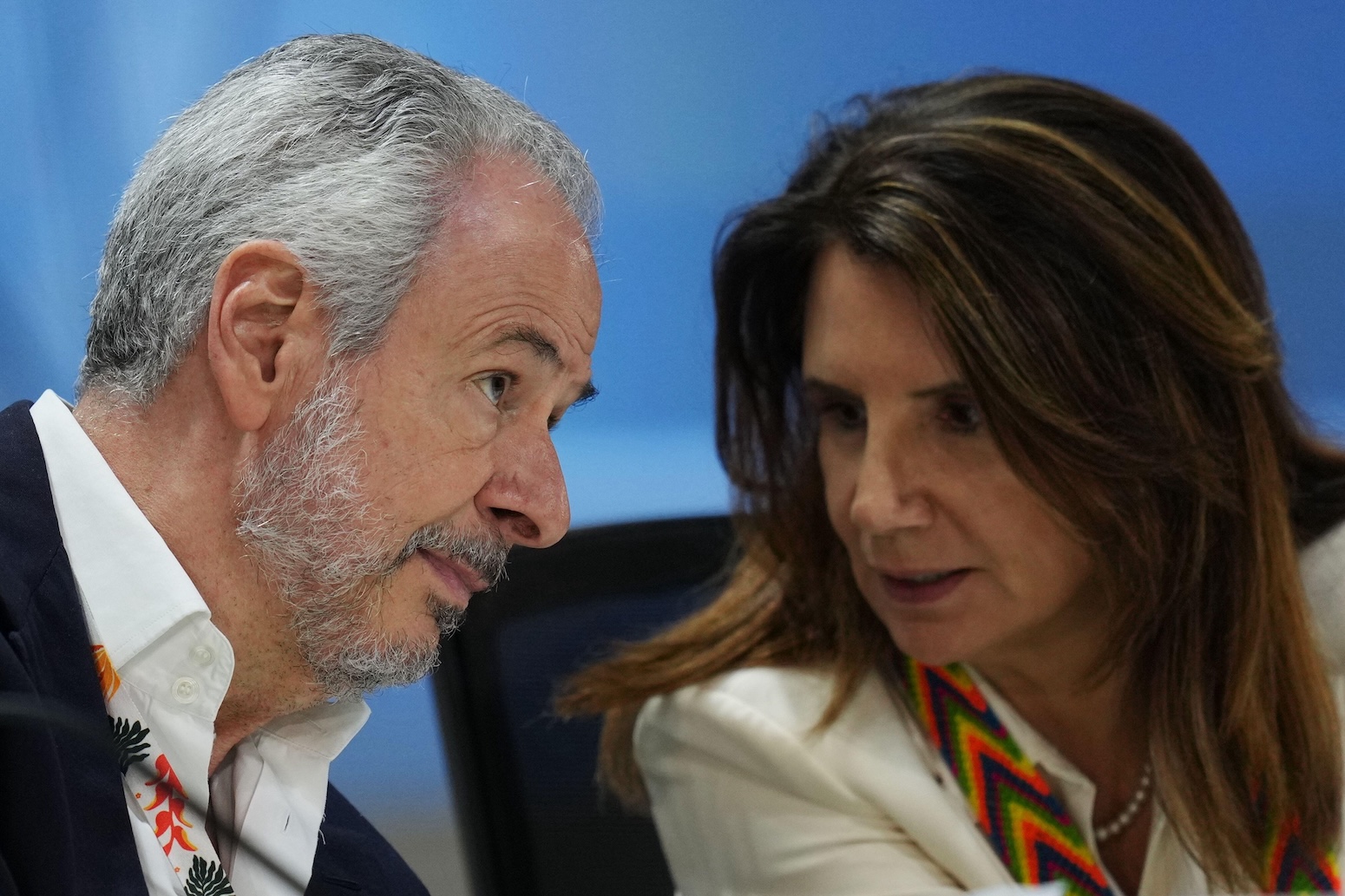
During a press briefing, COP30 CEO Ana Toni remarked that this phase serves as a diagnostic step rather than a uniform prescription for all nations.
After assessing their readiness, countries will be categorized into four distinct “archetypes,” each guiding them towards specific policy interventions.
The roadmap outlines a three-phase transition plan:
- The first phase, extending until 2028, will focus on establishing institutions and signaling long-term goals.
- The second phase, from 2028 to 2030, will prioritize the physical transformation of energy systems.
- The final phase runs from 2031 to 2033, centering on scaling up the transition.
Each stage of this roadmap was presented at a press briefing, where Toni emphasized its pragmatic design to facilitate adoption by various countries.
Experts and civil society largely welcomed the roadmap. Dr. Natalie Jones from the International Institute for Sustainable Development heralded it as a significant political gesture underscoring the importance of transitioning away from fossil fuels. She noted that it offers tangible guidance to governments in aligning their transitions with national circumstances.
Avantika Goswami of the Centre for Science and Environment in New Delhi praised the consultative nature of the roadmap, emphasizing its compatibility with the diverse conditions of developing nations.
Ploy Achakulwisut, a former UN adviser on fossil fuels, expressed her admiration for the readiness index, noting its potential in identifying countries with similar transition circumstances and enhancing international collaboration.
How will the fossil-fuel roadmap be discussed at COP31?
This strategic roadmap emerges just ahead of COP31, set to convene in Antalya, Turkey, where numerous key priorities, including a goal to raise the share of electricity in global energy consumption from 24% in 2023 to 35% by 2035, have been outlined.
Brazil’s COP30 president, André Aranha Corrêa do Lago, highlighted that this electrification initiative complements the roadmap’s objectives. However, there are concerns that the focus on electrification may sidestep contentious discussions on fossil fuels that characterized COP30.
Both Corrêa do Lago and Toni refrained from predicting the roadmap’s reception at COP31, expressing cautious optimism.
Experts believe the onus is now on countries to leverage the roadmap’s guidance to formulate actionable national transition plans, with an emphasis on recognizing their historical responsibilities while securing international support to ensure a successful transition.
Looking ahead, there is a call for greater accountability, urging countries to align their national climate strategies with the roadmap’s findings to secure the necessary support for vulnerable nations reliant on fossil fuel revenues. This roadmap could serve as a crucial step towards tangible progress in combating climate change.






Discussion about this post