





Military Recruitment Sees Remarkable Turnaround Under New Leadership
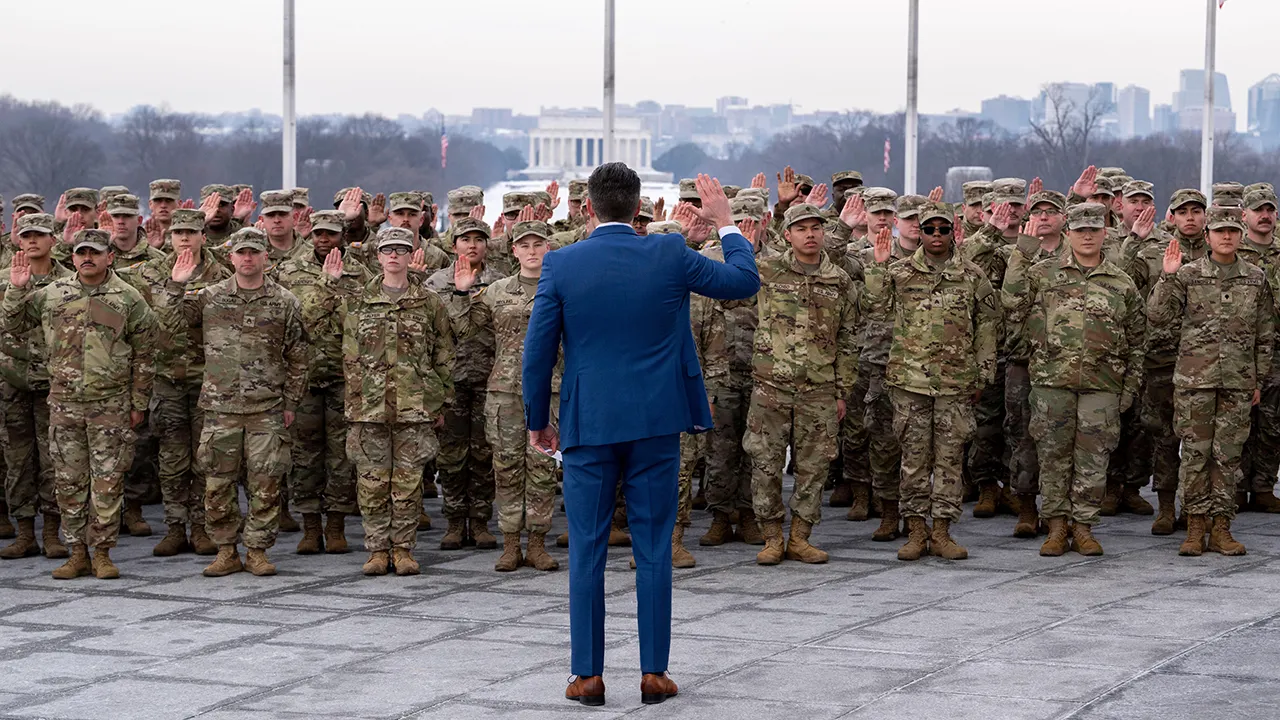
In a striking shift from recent years, the United States military has achieved significant recruitment successes in 2026, dispelling initial concerns regarding the viability of an all-volunteer force. Following a dismal outlook just years prior, when just 60% of recruitment goals were met, the Army, Navy, and Air Force have all surpassed their targets under the leadership of President Trump and Secretary Pete Hegseth.
Record-Breaking Achievements in Recruitment
The Army has successfully enlisted 61,500 future soldiers, exceeding its mission with more than four months remaining in the fiscal year. Similarly, the Navy not only met but raised its recruitment goal by 10%, achieving its target in July and finishing the year with 45,112 sailors— a marked recovery from a 7,450 shortfall three years earlier. The Air Force and Space Force also met their recruitment goals well ahead of schedule, while the Marine Corps reported the best recruitment environment in years, securing half of next year’s intended recruits ahead of time.
Factors Behind the Surge
This recruitment surge is attributed partly to a renewed sense of patriotism and a desire for career opportunities, as the military grapples with a changing societal landscape. Since November 2024, recruitment statistics have reached their highest levels in over 15 years, achieved even with American troops engaged in ongoing operations. Notably, recruitment among women has increased, indicating a more diverse interest across demographics.
Understanding the New Generation
The key to this success, according to Secretary Hegseth, lies not in the youth themselves but in the messaging from military leadership. “The military exists to fight and win,” he stated. This straightforward communication appears to resonate with a generation previously thought disconnected from the idea of sacrifice for their country.
Building Long-Term Success
As co-chair of the Department of War Recruiting Task Force, Hegseth emphasized the need for sustainable recruitment strategies. He outlined two critical requirements: building “propensity”—the desire to serve—and “proximity,” which involves making the military more visible and accessible to the public. Engaging young Americans through awe-inspiring military displays, such as low-flying aircraft events and community interactions, are essential to nurturing this desire.
A Strategic Shift in Approach
Highlighting the importance of visibility, Hegseth noted that more flyovers have been sanctioned during this administration than in any previous term, effectively engaging potential recruits and generating excitement about military life. However, he stressed that these measures must also reach local communities, advocating for a greater military presence at events such as county fairs and local parades to cultivate relationships with future service members.
Conclusion: A Commitment to Engagement
Ultimately, success in military recruitment depends on a dual approach of fostering enthusiasm and maintaining a physical presence in local communities. As America faces the pressing need for an expanded military force, the emphasis on both propensity and proximity stands to reshape perceptions about service among today’s youth. Through ongoing engagement, military leaders hope to ensure that the newfound interest in serving continues well into the future.








Discussion about this post