









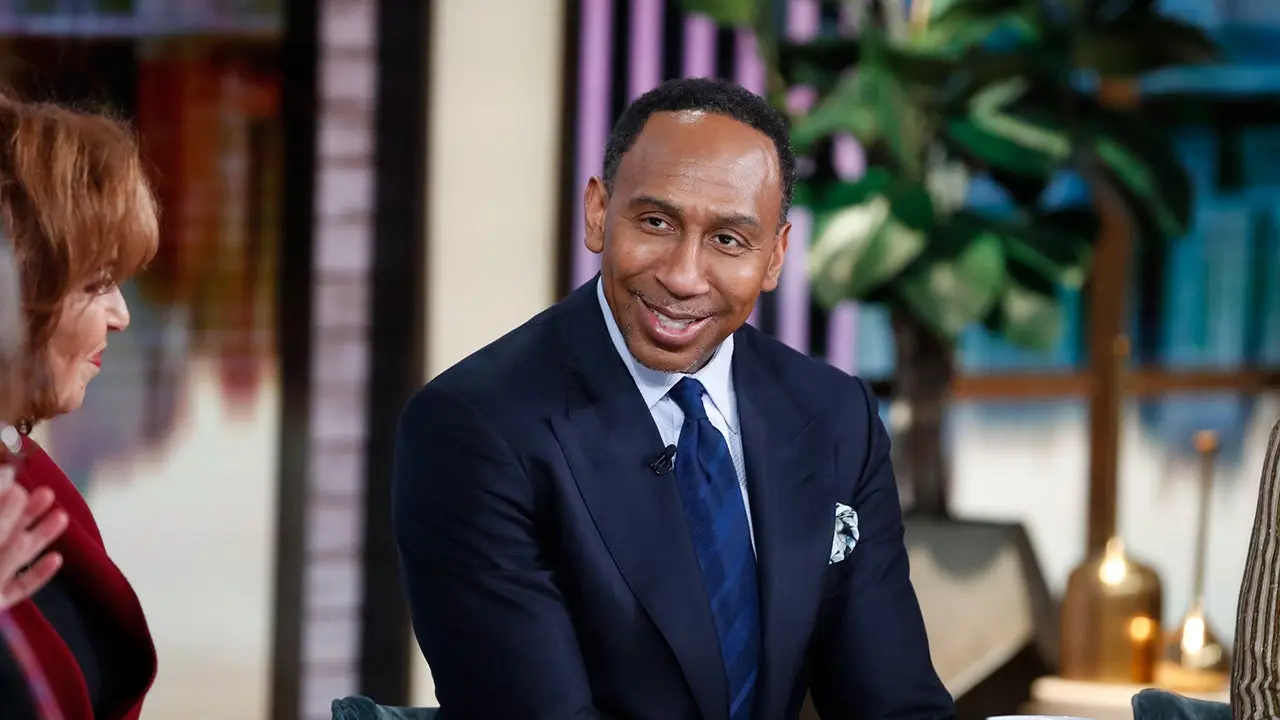
Controversial Remarks by Stephen A. Smith Ignite Debate on Racial Stereotypes in Sports
In a recent discussion, ESPN’s Stephen A. Smith made headlines by suggesting that the Los Angeles Lakers’ top three players, who are all White, lack the capability to lead their team to an NBA championship. This statement has triggered significant backlash and renewed conversations surrounding racial commentary in sports.
Smith’s Bold Statement on the Lakers
During a segment, Smith expressed skepticism about the Lakers’ chances in the upcoming playoffs, stating, “I do not think that they’re getting past the second round. Not a team with its top three players being White dudes.” His comments have drawn criticism from former NBA athletes, including Jay Williams and Kwame Brown, who have publicly challenged his assertions.
Despite the criticism, Smith has remained steadfast in his position, even suggesting that the racial composition of the Lakers’ roster should serve as motivation for Black players in the league.
A Double Standard in Racial Commentary
While Smith’s remarks have not led to any disciplinary actions, the situation raises questions about the standards of commentary regarding race. Analysts and commentators have faced repercussions for less inflammatory statements about other racial groups. For instance, former player Charlie Villanueva claimed that White player Cooper Flagg could not be the face of modern basketball, asserting, “It’s a Black league, right? Am I lying? Majority rules.”
This narrative is further complicated by the fact that similar comments regarding Black athletes would likely face immediate backlash and consequences. Historical context shows that figures like Tiger Woods have received widespread support in predominantly White sports, highlighting the discrepancies in how racial discussions are navigated.
Broader Implications of Racial Stereotyping
The discourse surrounding race extends beyond the realm of sports. Earlier this year, former ESPN host Jemele Hill made headlines with her remarks about job opportunities based on race, suggesting that a White individual could easily secure a high-paying job without qualifications. Furthermore, former Democratic Rep. Jasmine Crockett recently referred to “white tears” from “mediocre white boys,” igniting further discussions about racial biases in various fields.
These instances illustrate a growing trend where derogatory comments about White individuals are often met with less scrutiny compared to remarks about other racial groups. The ease with which certain stereotypes are perpetuated raises concerns about the fairness and consistency of racial dialogue.
Case Studies of Racial Commentary Consequences
Recent events in sports have highlighted the consequences of racial commentary. For instance, WNBA coach Sandy Brondello faced suspension after making a remark interpreted as racially insensitive. In contrast, controversial statements made by individuals like Sarah Jeong, who has a history of disparaging White individuals, did not result in similar repercussions when she was hired by The New York Times.
This disparity in responses emphasizes the need for a consistent approach to discussions surrounding race, regardless of the individuals involved.
The Need for Constructive Dialogue
While it is crucial to engage in conversations about race, there is a fine line between discussing racial issues and perpetuating stereotypes. The casual dismissal of White individuals based on their race, as seen in various public comments, points to a troubling trend that undermines the progress made towards racial equality.
As society navigates these complex conversations, it is essential to recognize the double standards that exist and strive for a more equitable discourse that does not allow for the marginalization of any racial group.
Conclusion: Reflecting on Racial Discourse
In conclusion, the recent remarks by Stephen A. Smith serve as a reminder of the ongoing challenges surrounding race in sports and beyond. The discourse must evolve to foster understanding and inclusivity, ensuring that all individuals are treated with respect, regardless of their racial background.







Discussion about this post