









China Reports 3.1% Decline in CO2 Emissions Amid Ongoing Energy Challenges
In the third quarter of 2026, China experienced a significant reduction of 3.1% in carbon dioxide (CO2) emissions. This decline is largely attributed to the ongoing Hormuz crisis impacting oil demand, alongside a notable decrease in coal utilization.
Analysis by:
Lauri Myllyvirta, lead analyst at the Centre for Research on Energy and Clean Air
This marks the largest quarterly drop in emissions since the Covid-19 lockdowns in 2022. Year-to-date, China’s emissions have diminished by an estimated 0.5%.
According to a comprehensive analysis by Carbon Brief, which relies on official data and industry statistics, coal consumption fell by 3% year-on-year during the third quarter, while oil consumption decreased by 4%.
Key factors behind this decline include decreased coal usage in the power sector, a significant reduction in oil consumption for transportation, and a slowdown in the growth of the coal-to-chemical industry.
China’s emissions trend has been mostly flat or declining since March 2024, marking over two years of consistent patterns.
Factors Contributing to CO2 Emission Decrease
Several significant elements contributed to the drop in CO2 emissions during the third quarter of 2026. A 3.3% decline in coal-fired power generation was observed, as demand growth slowed and the amount of energy lost from unused renewable sources diminished.
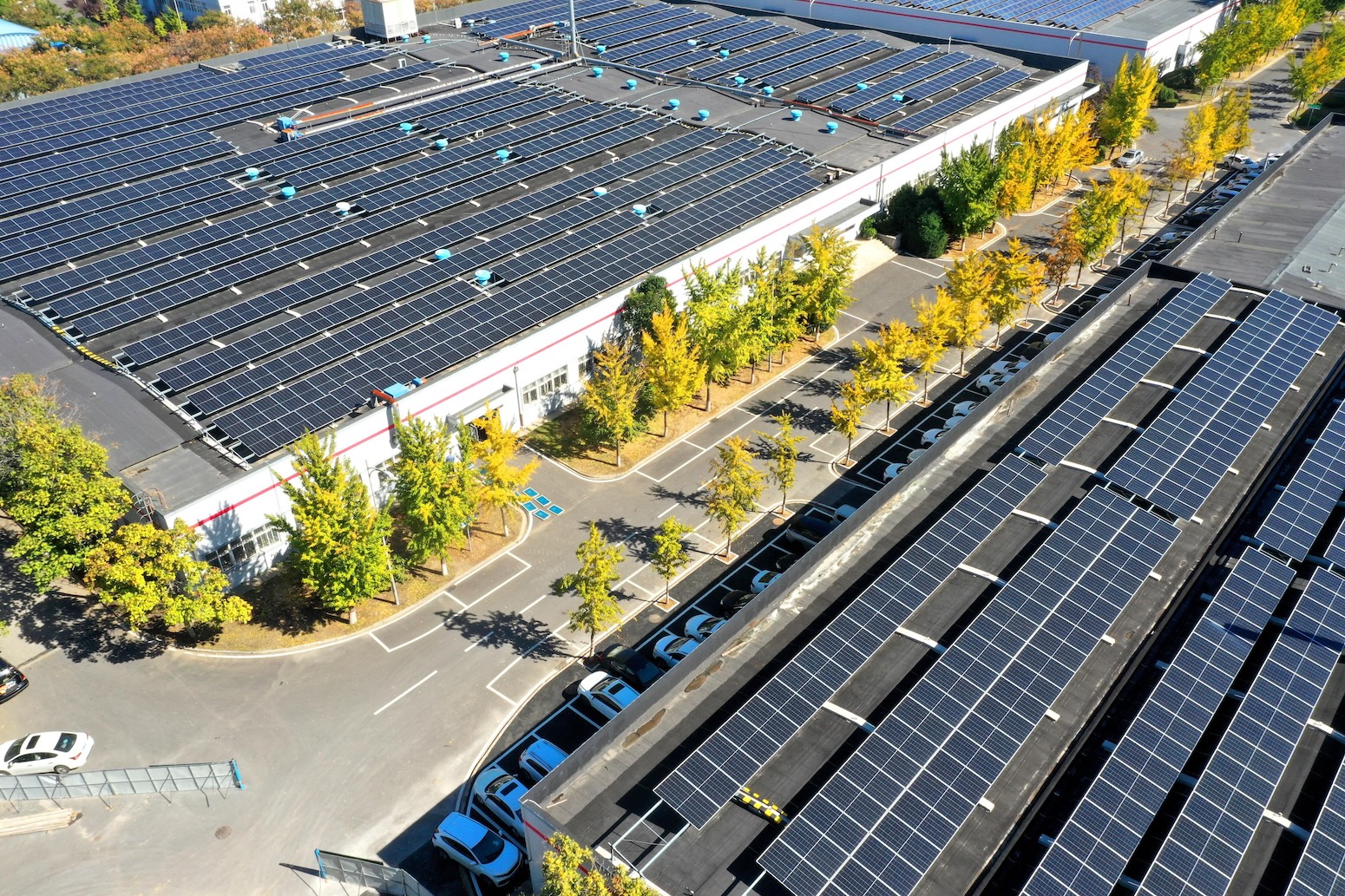
In contrast, the combined power generation from solar, wind, and nuclear sources surged by 110 terawatt hours (TWh) compared to the previous year, outperforming overall growth in electricity demand. This increase in clean energy generation is equivalent to Germany’s entire power output within the same timeframe.
Despite continuing to expand coal power capacity at near-record rates, coal output and emissions declined. This resulted in the average operational hours of coal power plants decreasing more rapidly than total generation, adversely affecting profitability.
In the transportation sector, oil consumption plunged by 9% year-on-year in Q3 2026. The uptake of electric vehicles (EVs) soared, accounting for 67% of passenger car sales and 50% of heavy truck sales in September alone.
Electricity consumption by EVs increased by 53%, suggesting a growing preference for existing electric models over traditional fuel-powered vehicles.
The coal-to-chemical industry, a historically significant source of emissions, also showed sluggish growth in Q3 2026. High coal prices negatively impacted profitability, while rising output prices dampened downstream demand.
Likewise, emissions from steel and cement production continued to decline, spurred by a contraction in construction activities.
Future Outlook for CO2 Emissions
The trajectory of energy consumption reflects declining growth rates following a spike during the Covid-19 pandemic, while the expansion of clean energy remains strong.
This trend suggests that the growth of clean energy production will likely surpass total energy demand growth in 2026, contributing to a continued decline in fossil fuel consumption.
However, the future prospects are contingent upon addressing existing barriers preventing the integration of solar and wind power into the energy grid, which has led to instances of energy waste.
The recent deceleration in energy demand can be partially attributed to unusually mild weather conditions during the third quarter.
Economic growth, while reportedly in line with targets, has also been lackluster, lessening the need for aggressive stimulus measures. Current stimulus efforts focus on enhancing infrastructure networks such as power and transport, which are increasingly aligned with green energy initiatives.









Discussion about this post